

Research
Research is where Artemis Collection publishes what it knows about the works it handles: Pablo Picasso's Madoura ceramics above all, and also the ceramics of Toshiko Takaezu and prints and limited-edition multiples. The guides are written for owners deciding whether and how to sell, for collectors preparing to buy, and for anyone trying to identify a piece or read an auction listing.
Market figures in these articles come from public auction records: results published by auction houses, compiled and cleaned by us, with duplicate records of the same lot removed. Each article that uses them says which records it drew on, how many, over what dates and what was excluded. We distinguish three prices throughout. The hammer price is the winning bid. The published price usually adds the buyer's premium the house charges the buyer. Net proceeds are what a seller receives after commission and other charges. Unsold lots are largely missing from public records, so the figures describe what sold.
A past result describes one object on one day. Nothing here is an appraisal, a valuation for insurance or probate, or an opinion on the authenticity of any particular work.
Considering selling or consigning a work? Make a confidential inquiry.
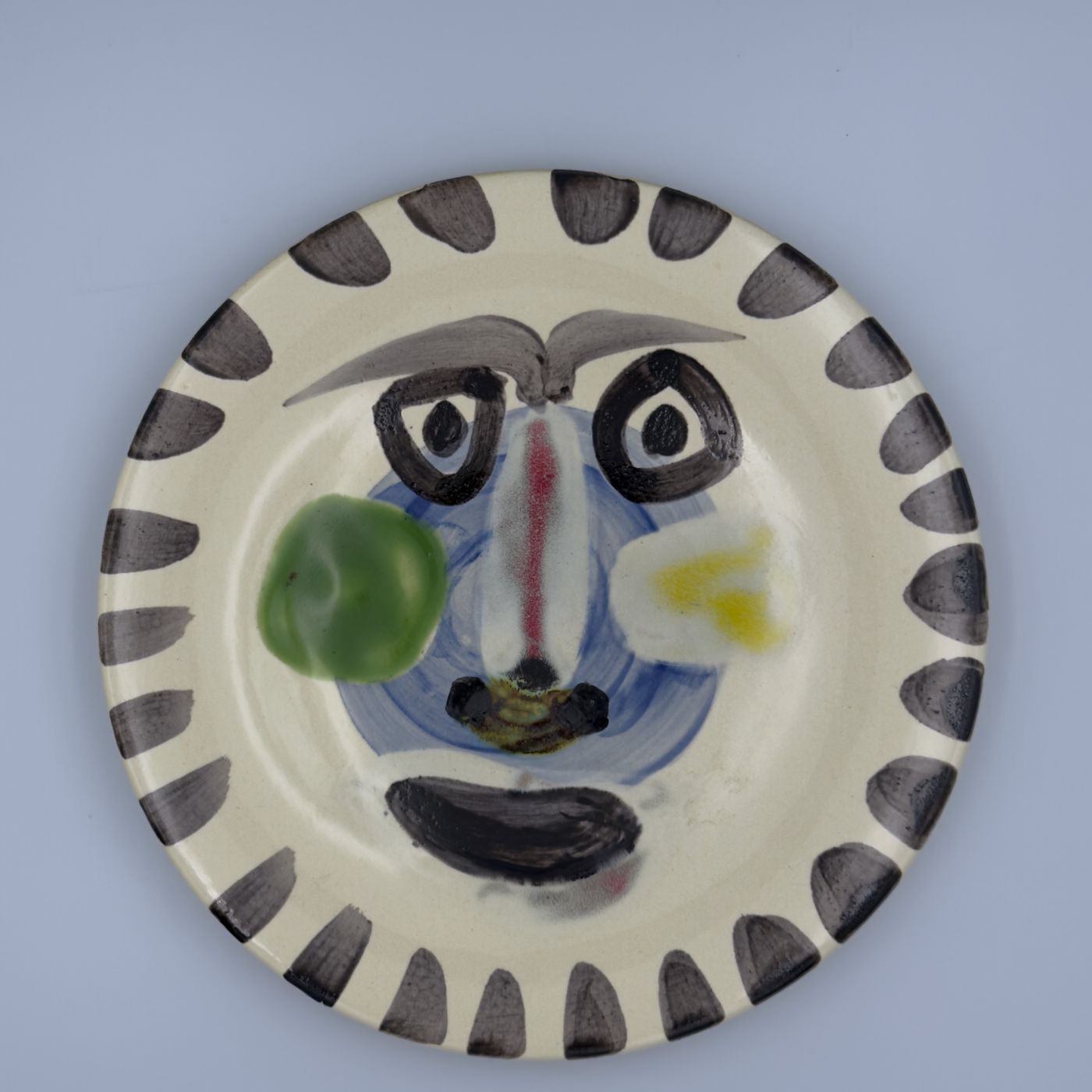
Is there a best month to sell a Picasso ceramic? We tested 6,100 public auction results. No seasonal pattern held up; which sale you join matters more.
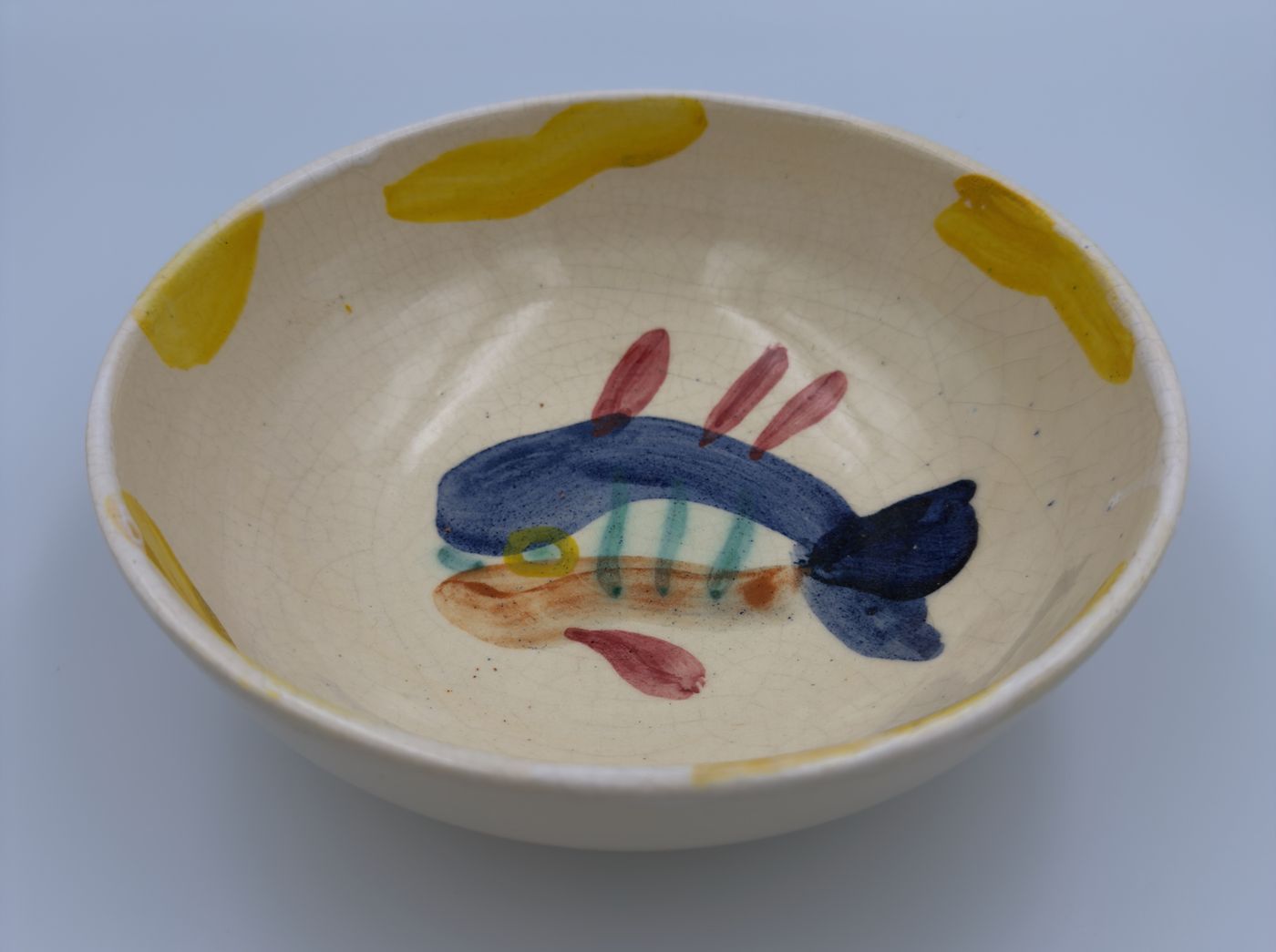
From consignment to payment: how long selling a Picasso ceramic at auction takes, what the houses publish about settlement, and what causes delay.
What 461 public Madoura results that hammered below the low estimate have in common, and what the records can and cannot explain.
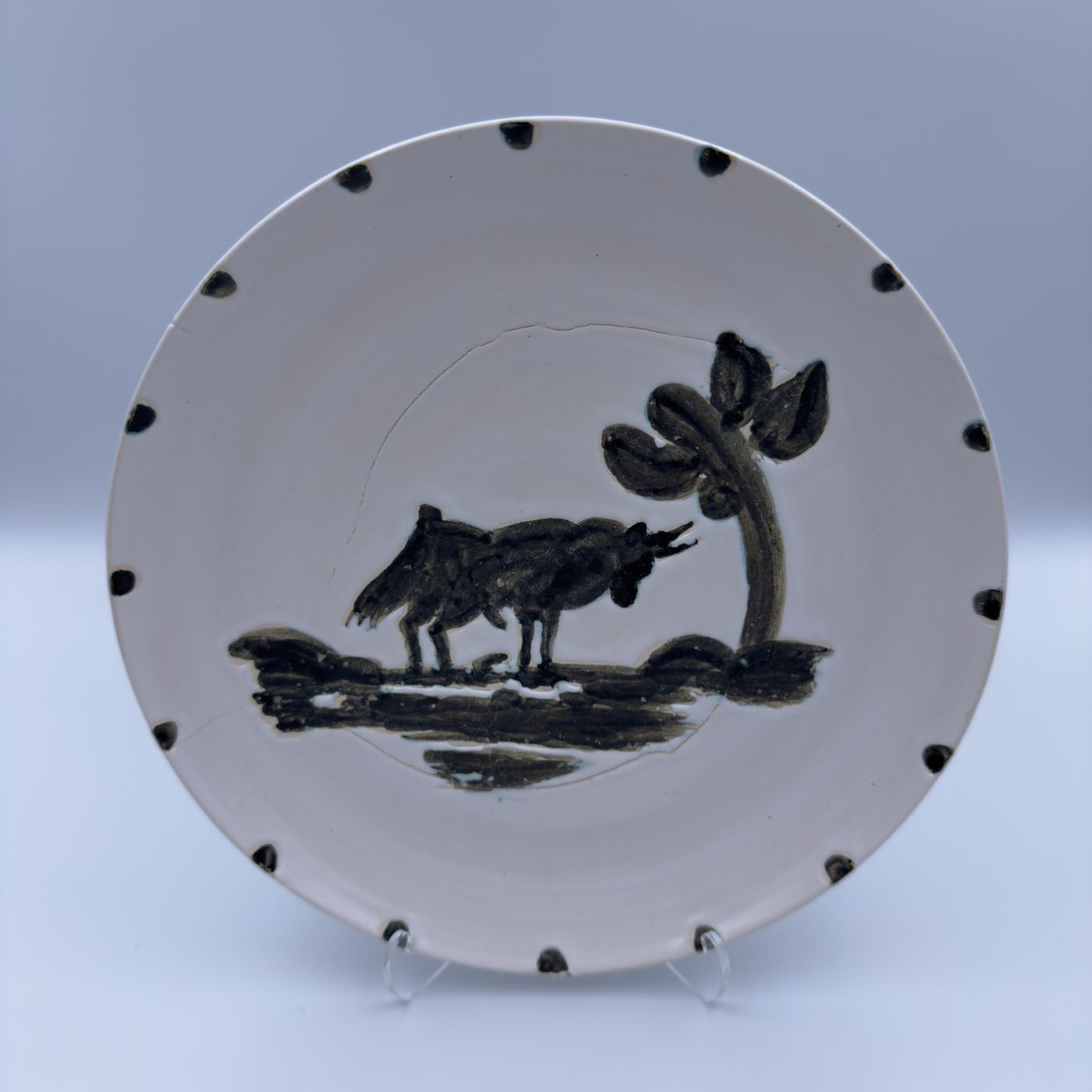
The routes for selling a Picasso Madoura ceramic, where the public market trades, what to prepare, and how prices are arrived at under each route.
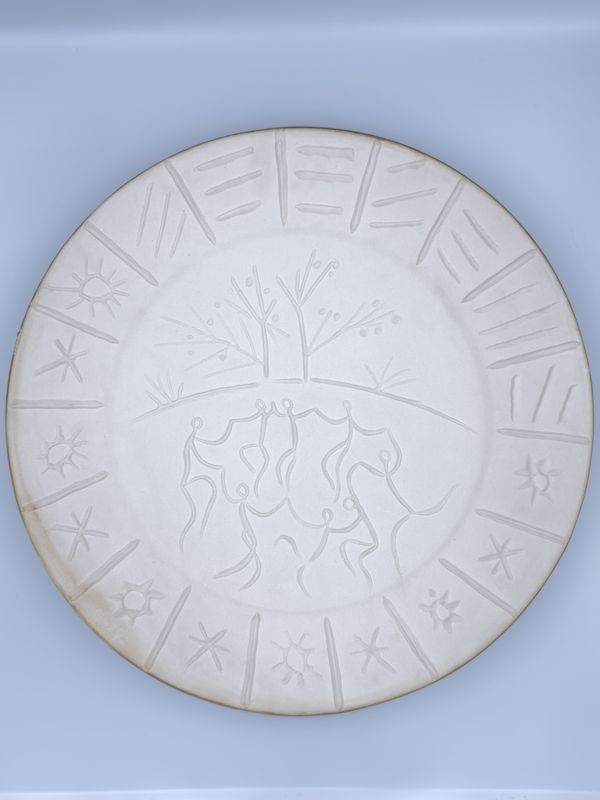
The same Picasso Madoura designs compared house by house across 7,400 public results: who leads, by how much, and how much of the gap is the house itself.
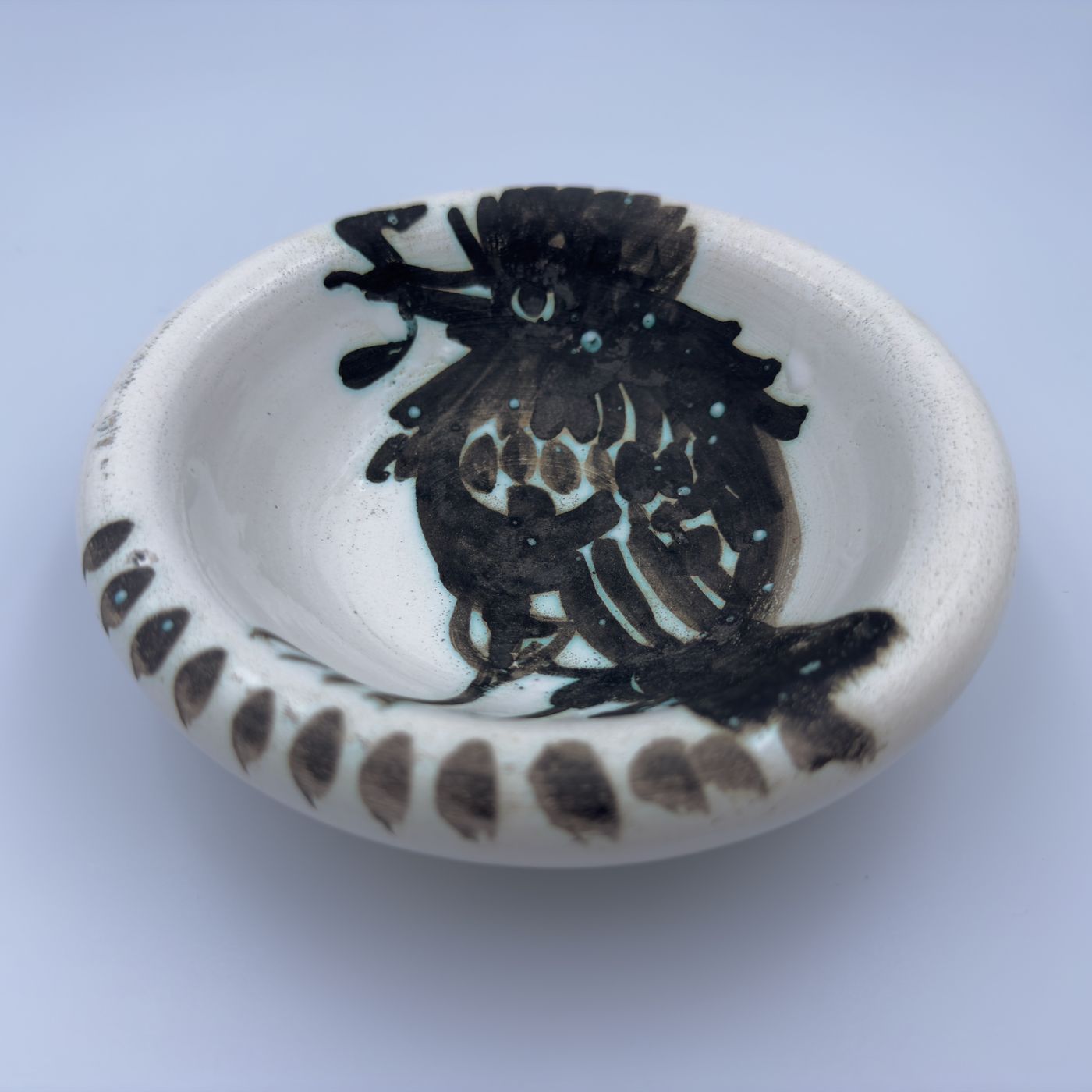
First steps for heirs and executors with a Picasso ceramic: protect it, keep the papers, identify it, understand which value you need, then decide.
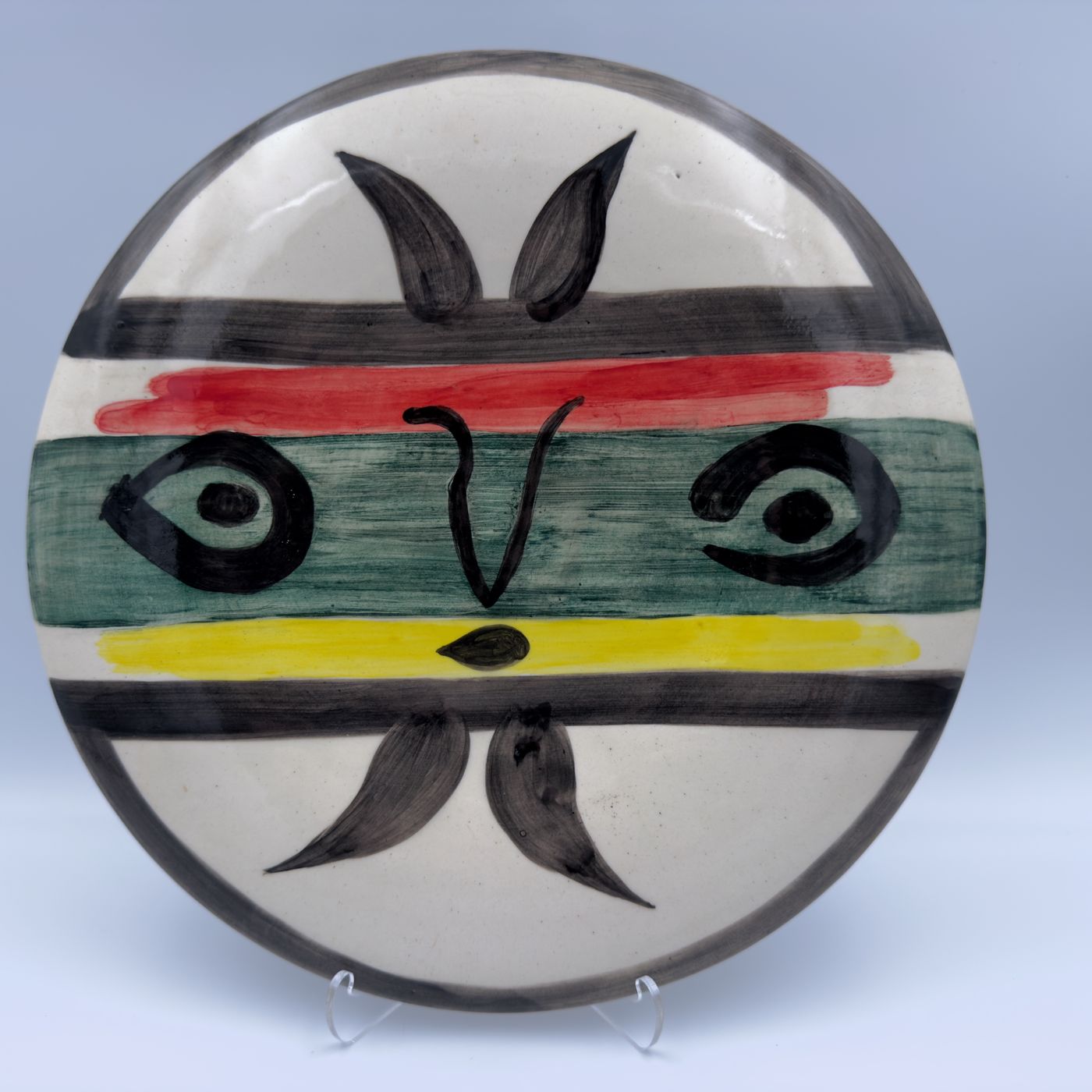
What comes off a Picasso ceramic's hammer price at auction, what the buyer pays instead, and an illustrative calculation of a consignor's net proceeds.
How often Picasso Madoura ceramics go unsold, where the records allow us to measure it, which lots fail, and what is known about what happens next.
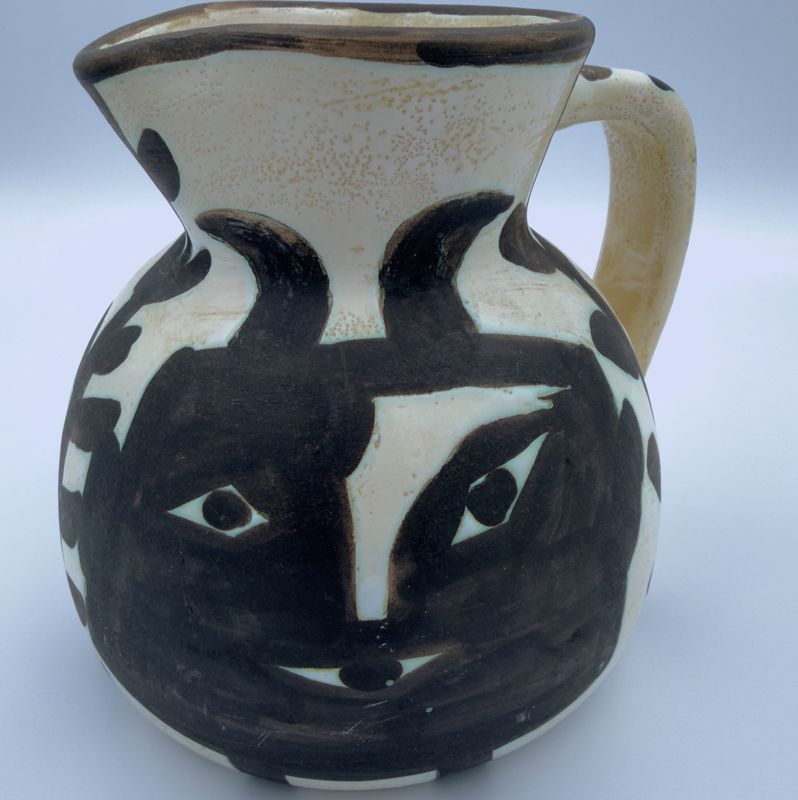
Same designs, converted at the sale-date exchange rate: how New York, London, Paris and German sales compare, and the costs that change with the saleroom.
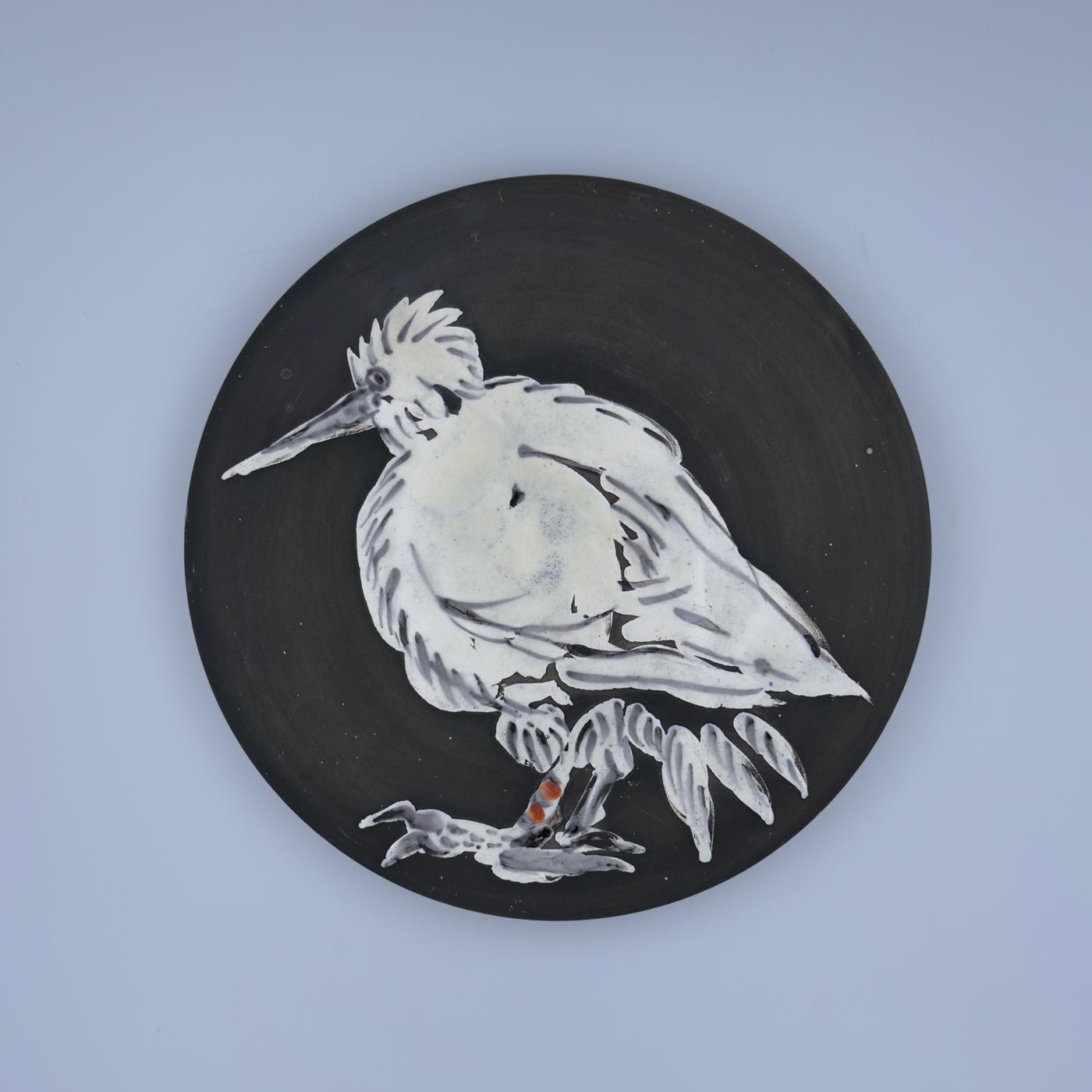
Auction or private sale for a Picasso Madoura ceramic: how price discovery, timing, costs and certainty compare, using public results on how auctions vary.
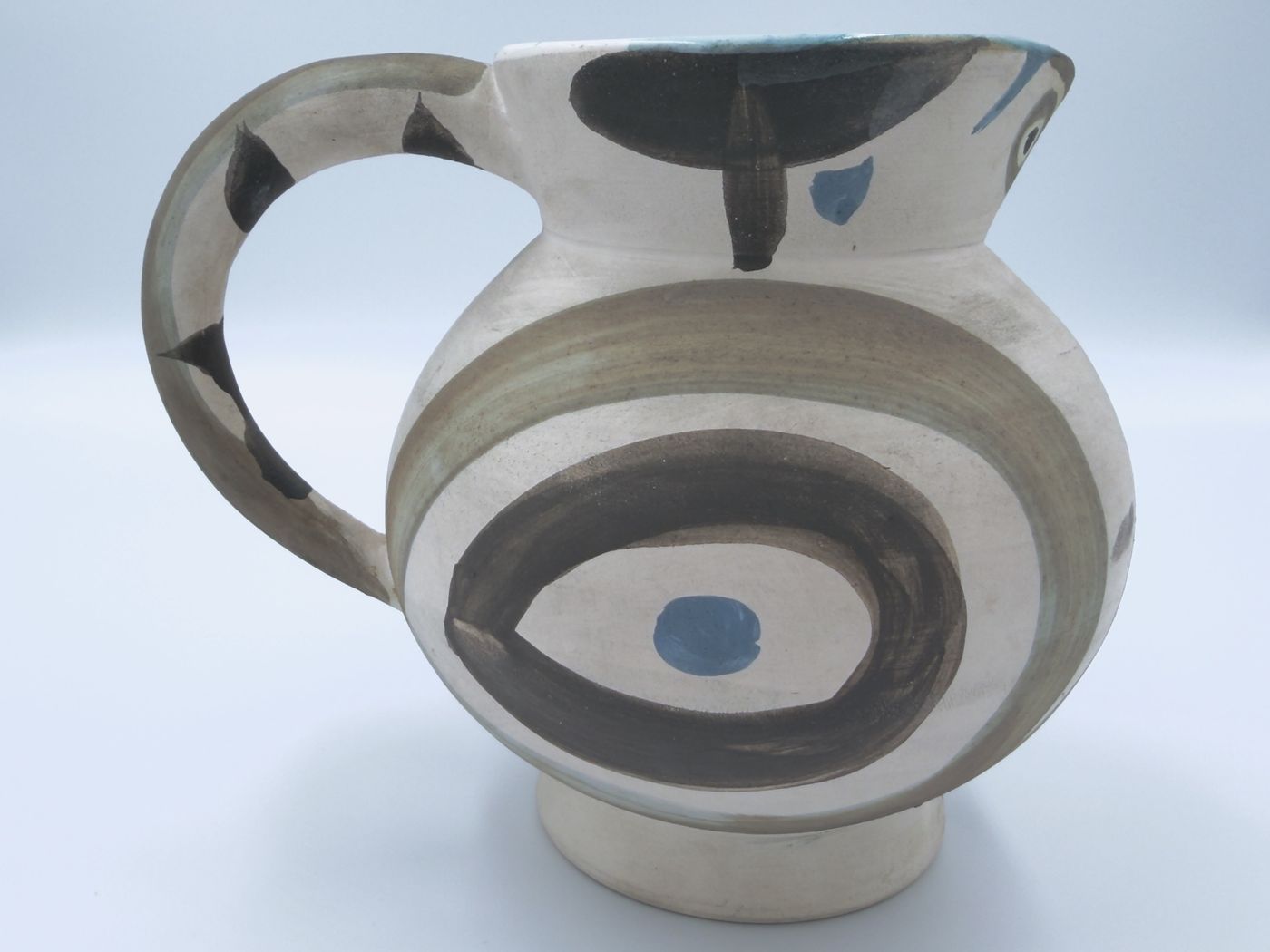
A practical checklist for photographing and documenting a Picasso Madoura ceramic: the views, marks, measurements, condition and papers a specialist needs.
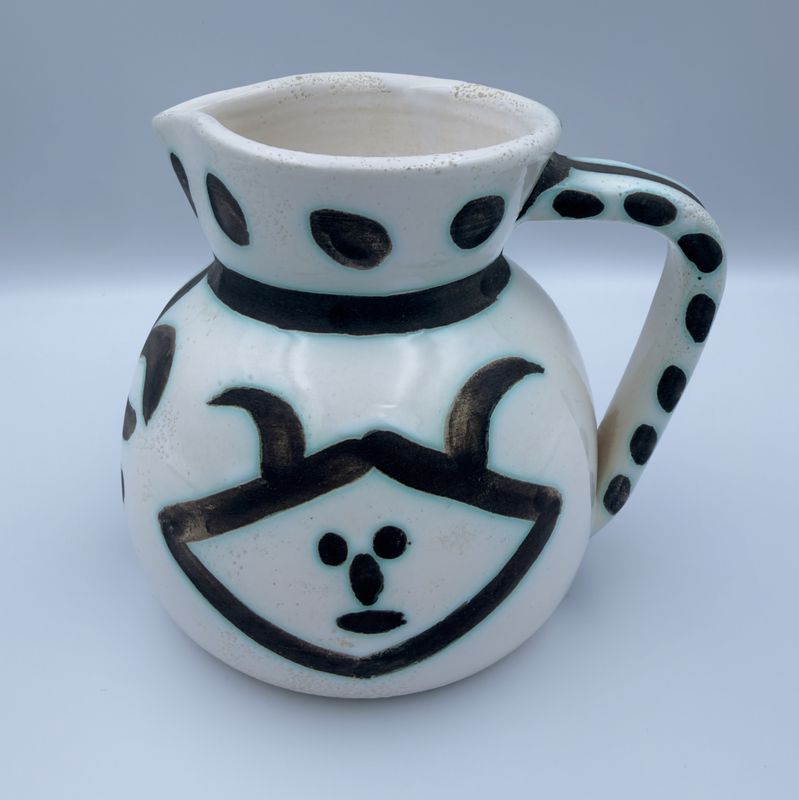
Which past auction results predict a Madoura ceramic's price best? We tested nine ways of choosing comparables on 5,000+ public sales.

Size is the strongest catalogue predictor of Madoura prices: what extra centimetres add within each form, and where size stops adding value.
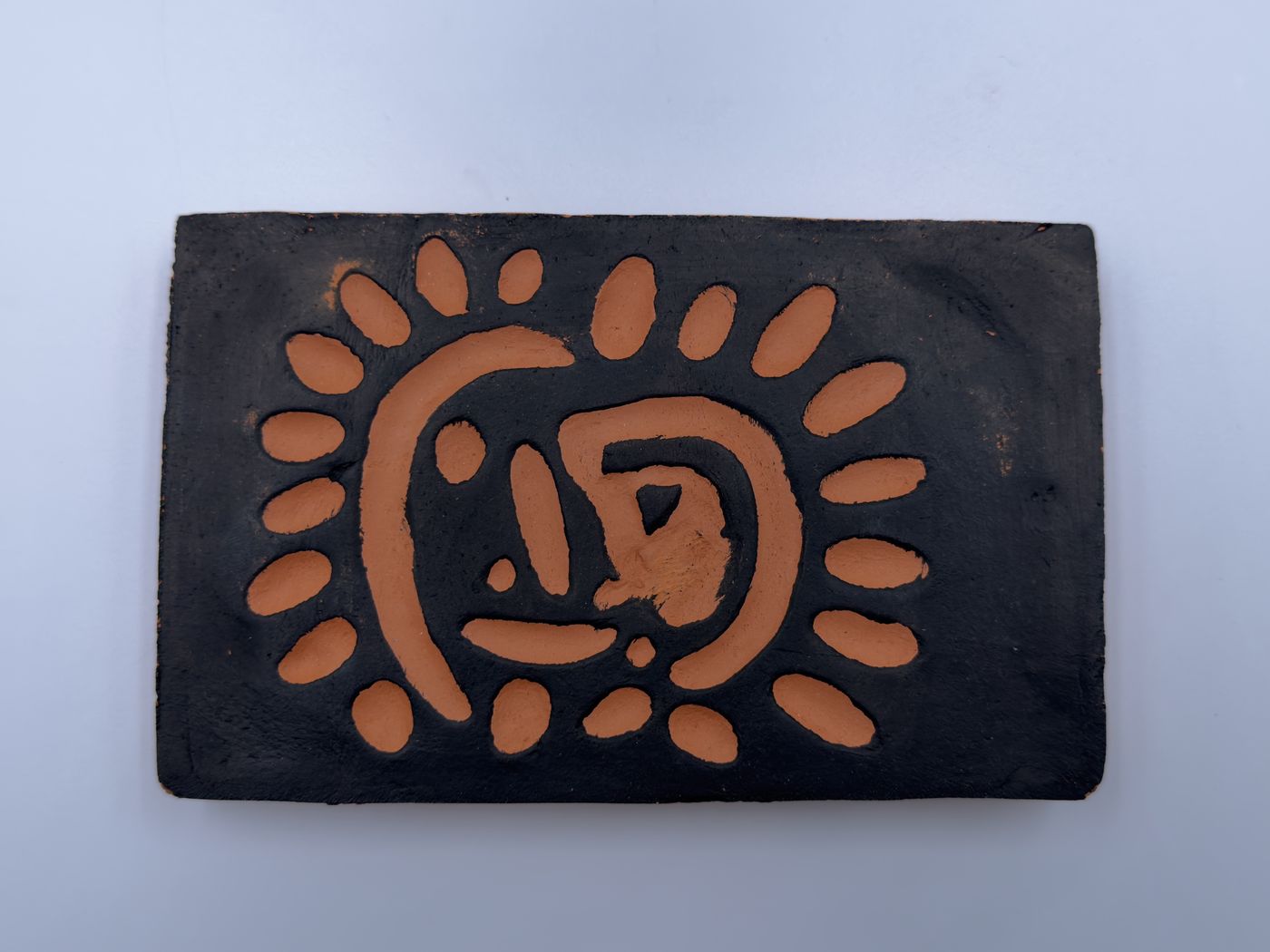
How chips, cracks, firing flaws and restoration affect Picasso Madoura ceramics, how auction houses describe condition, and what public results show.
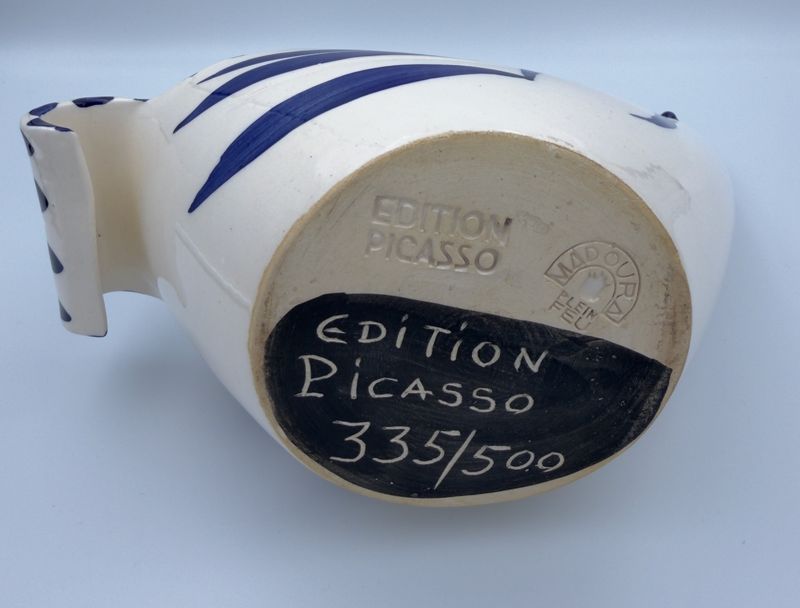
77 numbered Picasso Madoura ceramics that came back to auction: how we matched them, what prices did after inflation and fees, and why venue mattered.
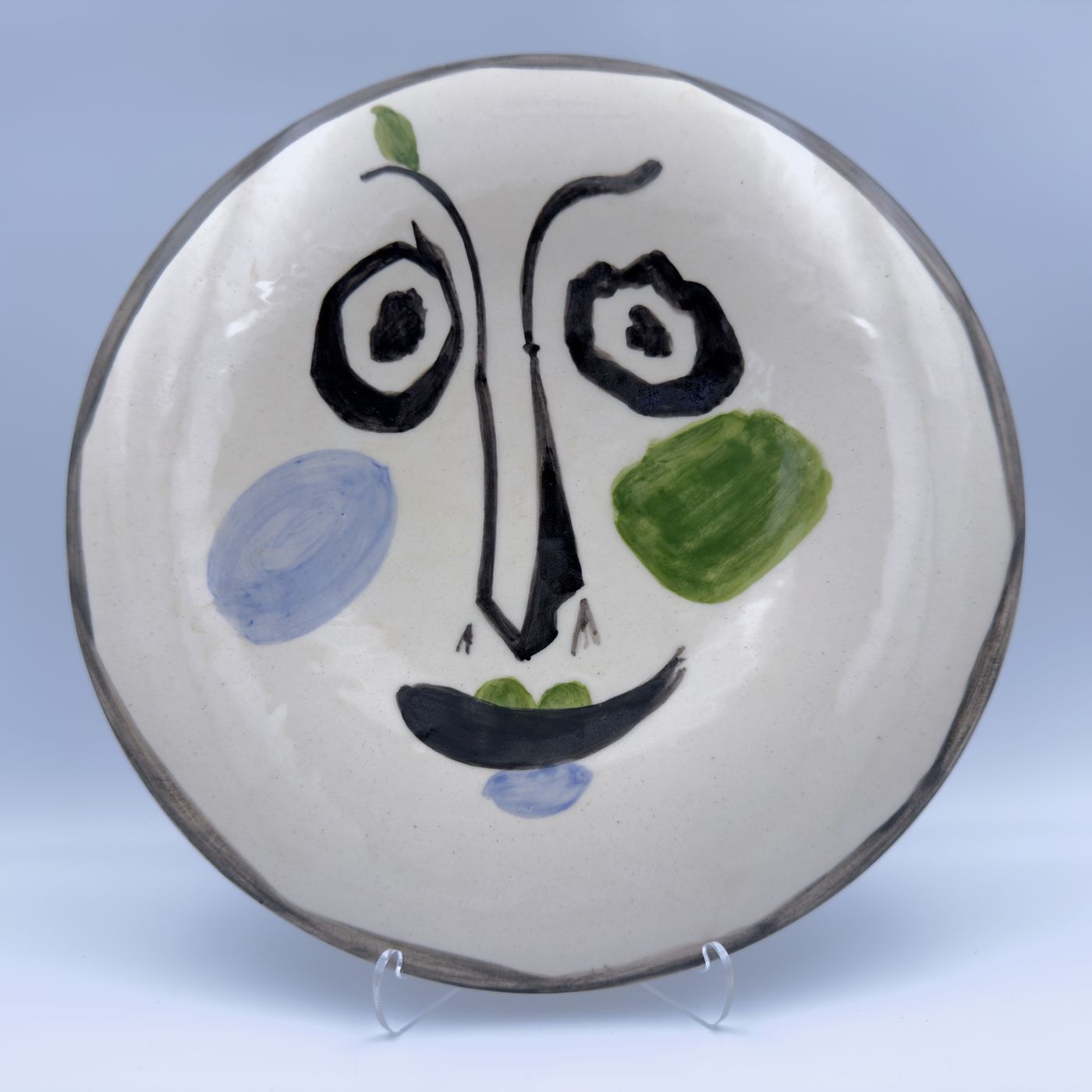
What sets the value of a Picasso Madoura ceramic: the design, edition size, condition and venue, measured across more than 9,000 public auction results.
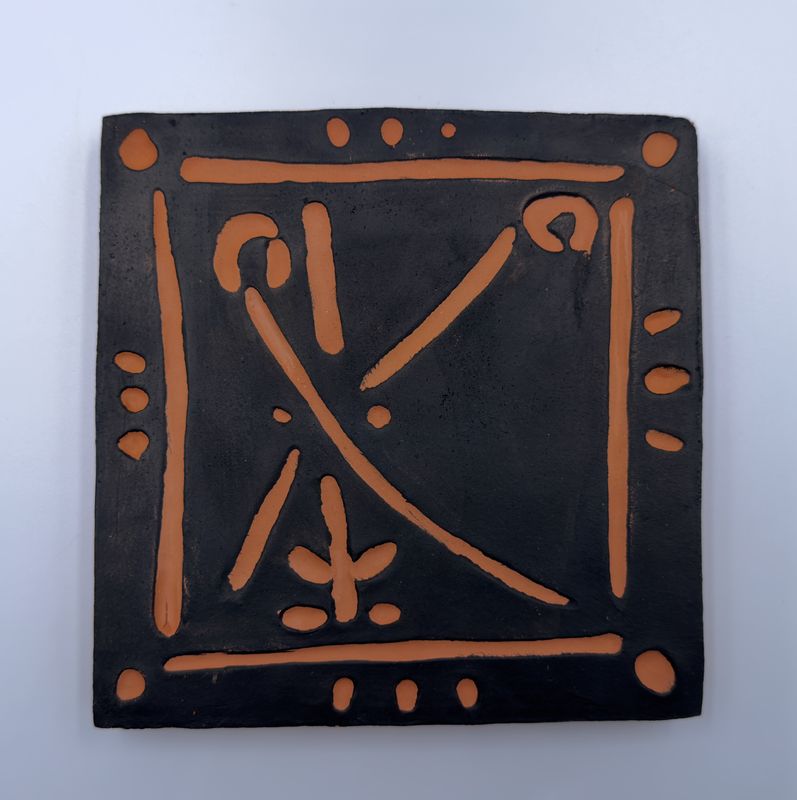
Smaller Madoura editions sell higher on average, yet among comparable designs the smaller edition sold for less almost half the time.
Four in ten Madoura designs have sold publicly twice or less in five years. How to value one: sister designs, older sales, estimates, and what to avoid.
Which Madoura forms sell highest, measured across 9,200 auction results: what remains of the vase and pitcher premium once size and edition are equal.
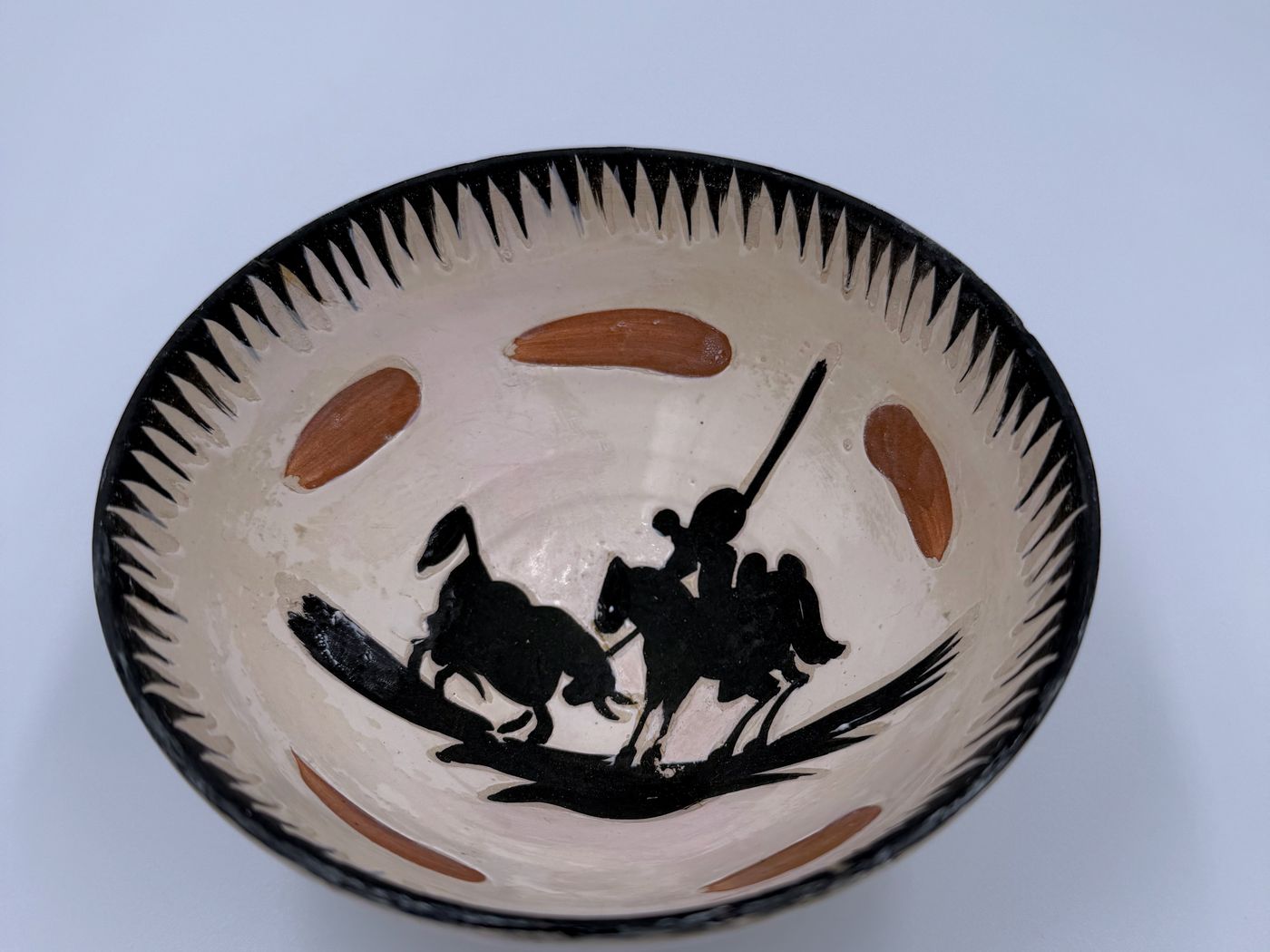
Identify a Picasso Madoura ceramic before selling: read the marks, find the Ramié number, check size and edition, and why no single stamp is proof.
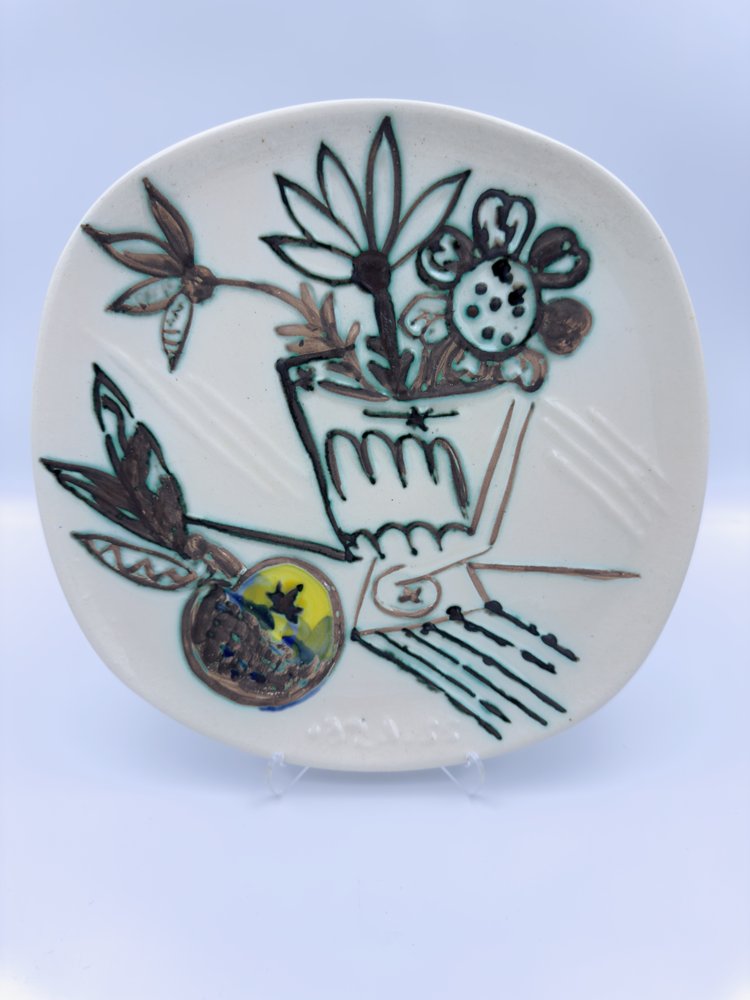
Why two examples of one Madoura design sell at very different prices: what the sale, the object and the edition number explain, from public results.
Five Madoura auction results far above or below other sales of the same design: what the records show about each, and where the reasons remain unknown.
We tested 7,860 Madoura results against their estimates and against the design's recent sales. The estimate ranks pieces well but misses the price.
Faces, owls, bulls or fauns? Madoura designs coded by subject show owls lead only because they are vases, and faces edge birds and myth like for like.
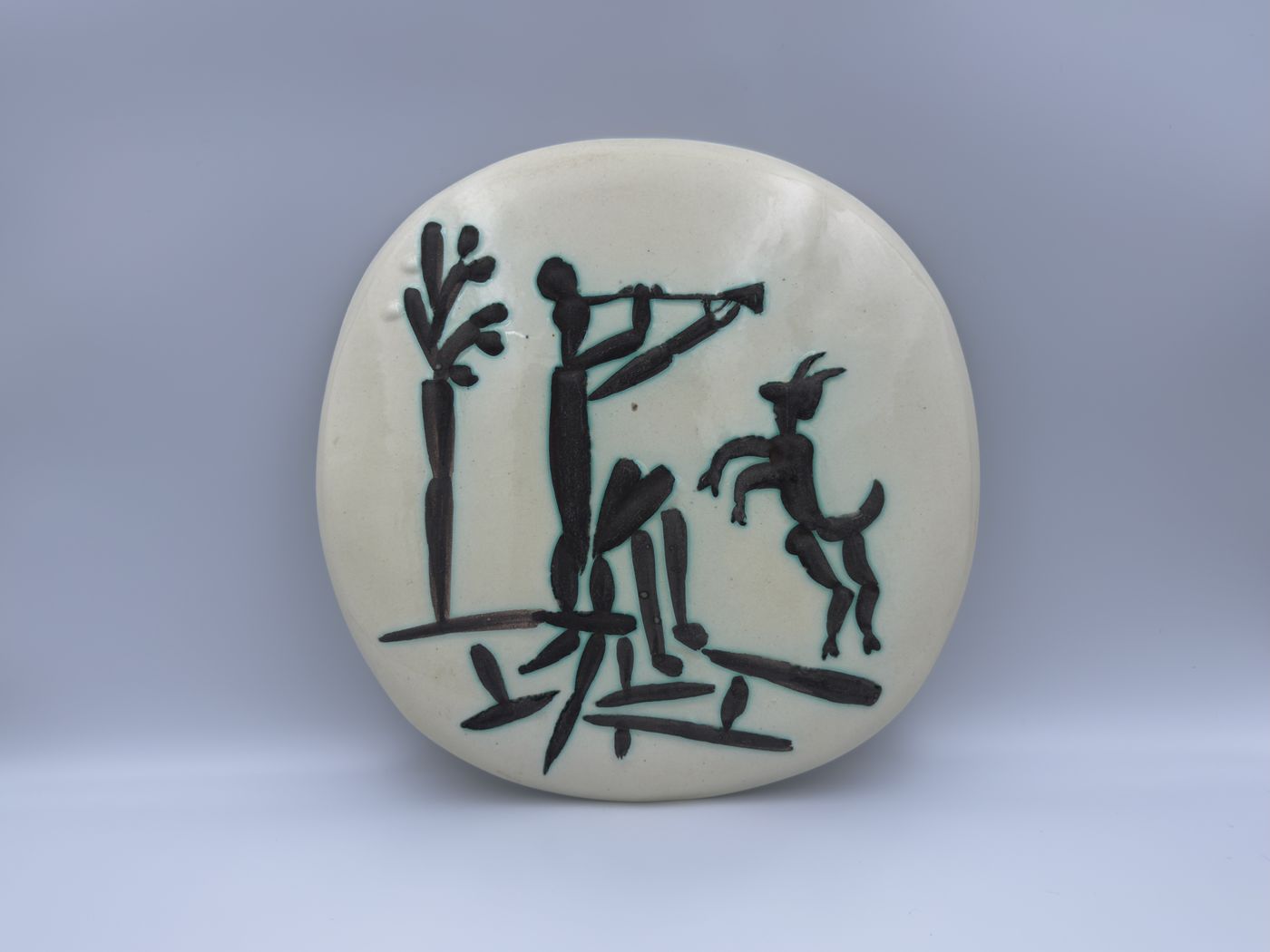
Which documents support a Picasso Madoura ceramic's history, what auction houses actually print as provenance, and what papers cannot prove.
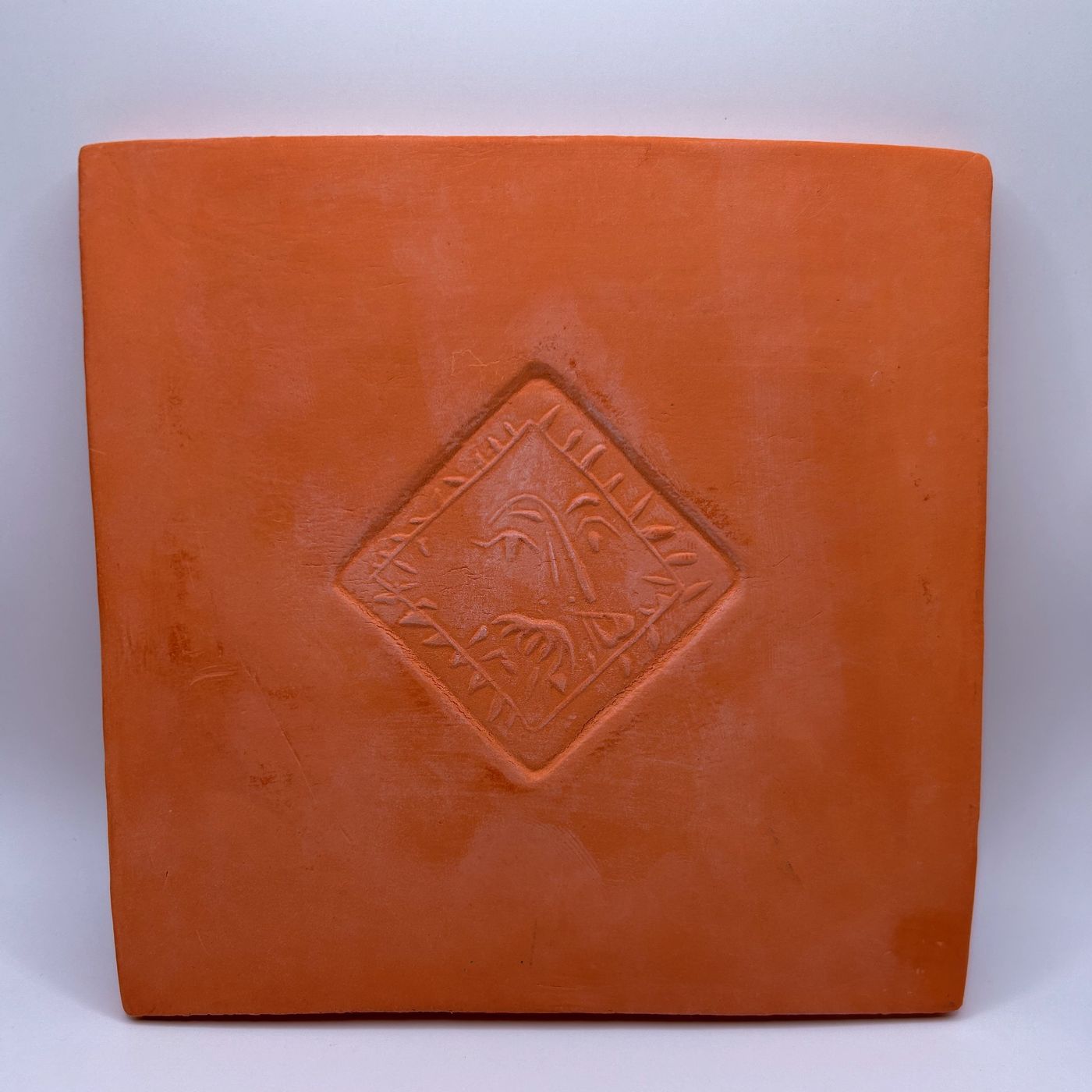
What an A.R. (Alain Ramié) number is, how to read a catalogue entry, and how to use the number to research a Picasso Madoura ceramic.
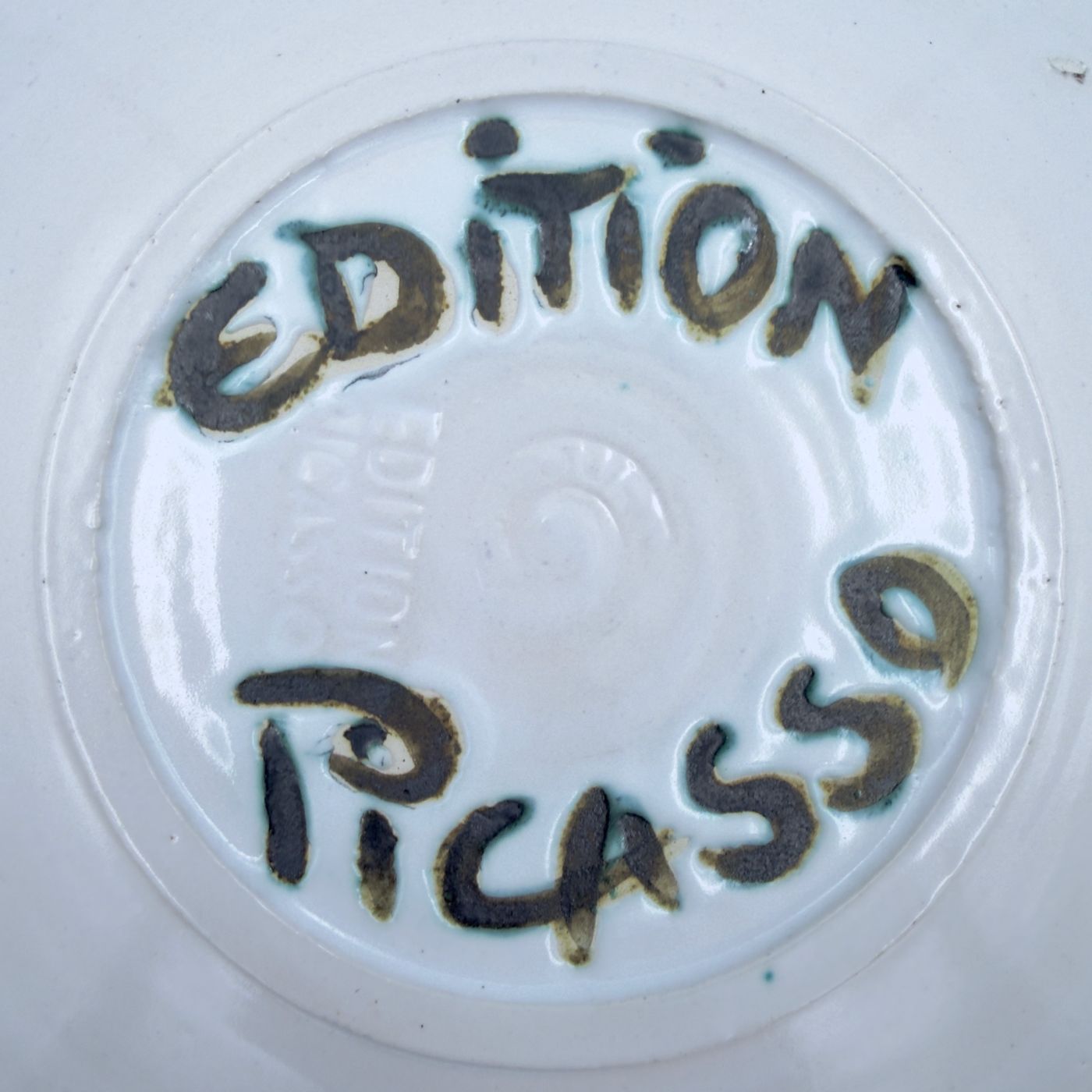
What the stamps on Picasso Madoura ceramics mean: Madoura Plein Feu, Edition Picasso, Empreinte originale, Poinçon original, numbers and codes.
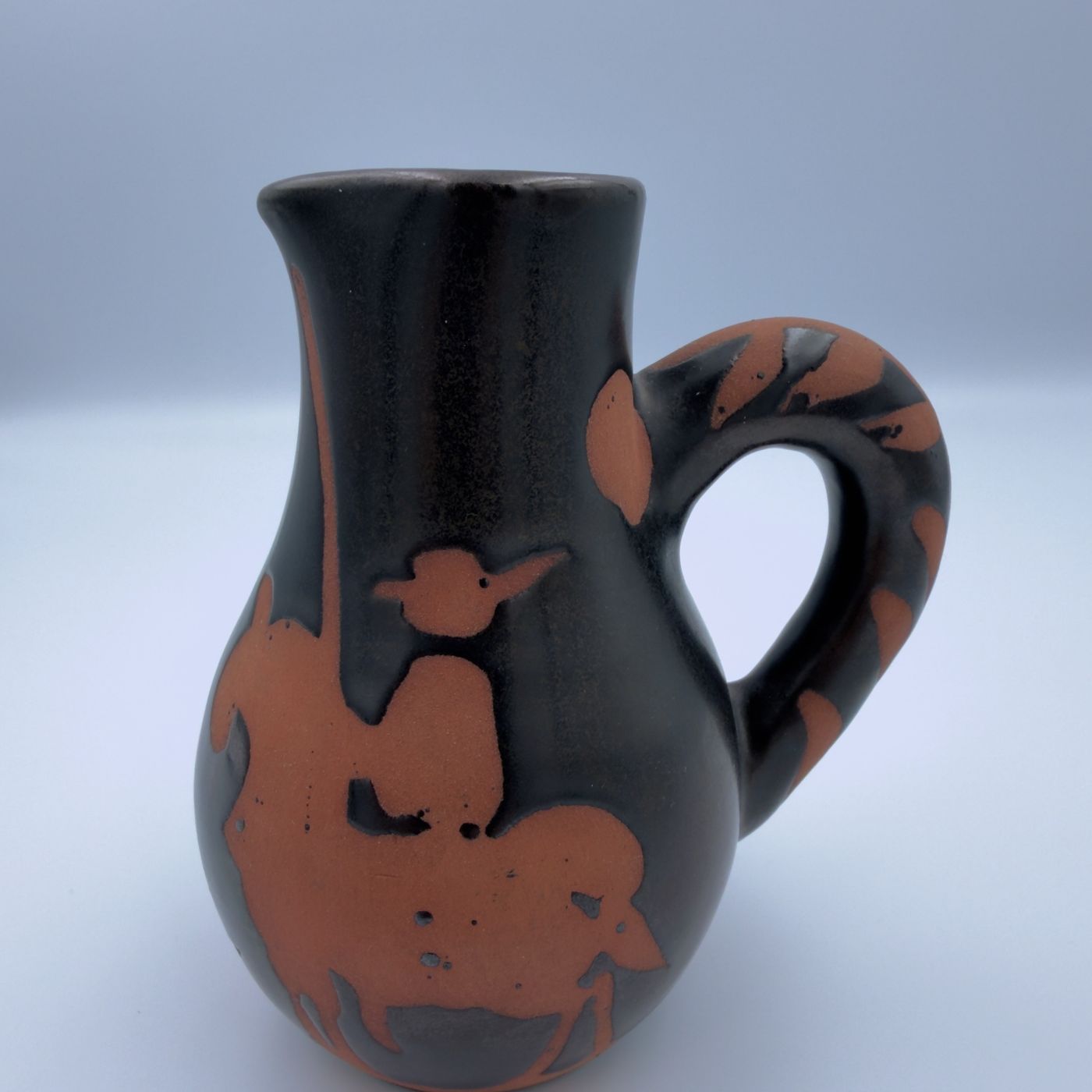
How the Madoura pottery produced Picasso's ceramic editions: the people, the three methods, materials, forms, edition sizes and numbering, with sources.
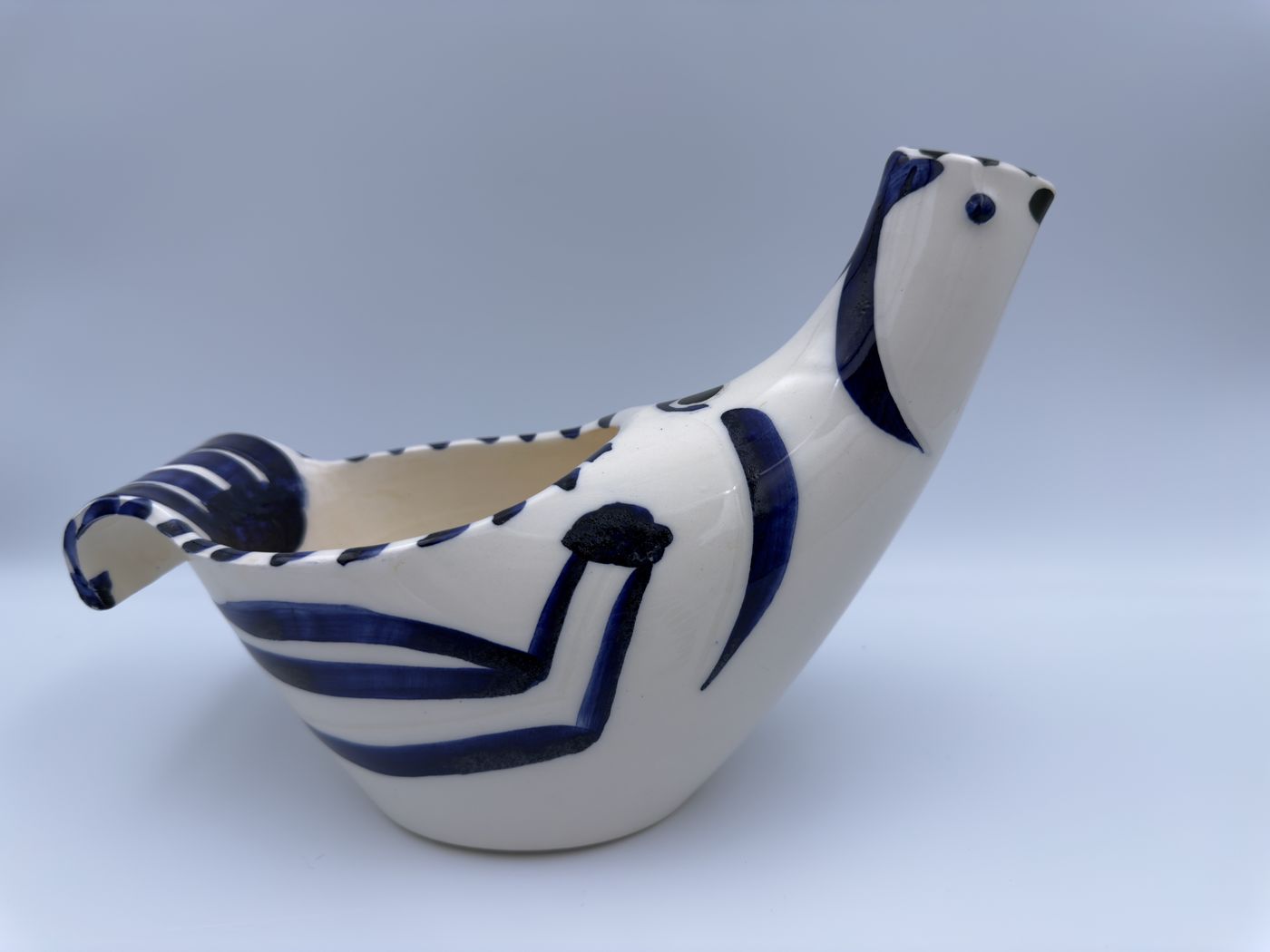
Unique Picasso ceramics, authorised Madoura editions and later reproductions: what each term means, how marks map to them, and what prices show.
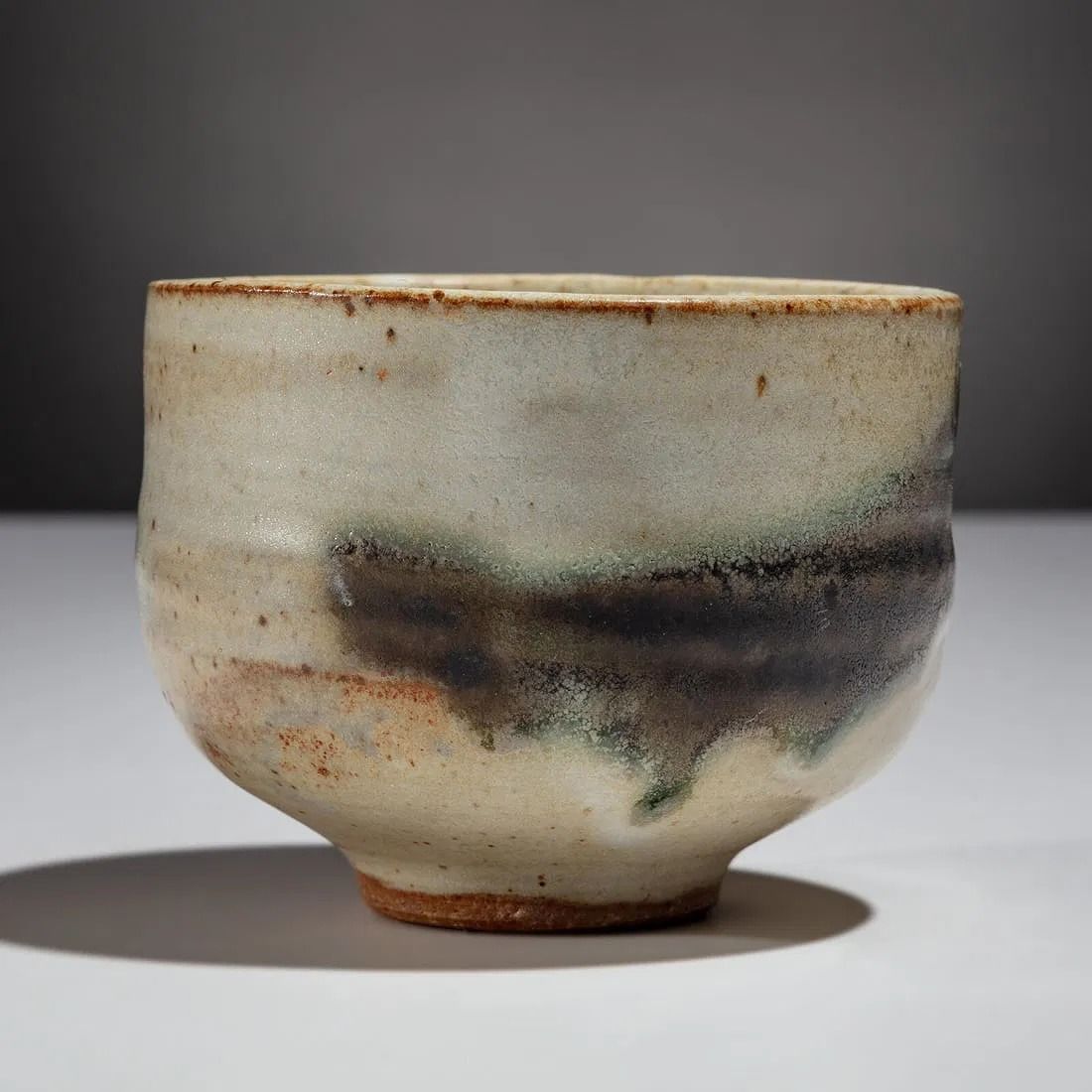
Selling a Toshiko Takaezu closed form, bowl or tea bowl: what drives price in public results, where her work sells, what to document and how to ship it.
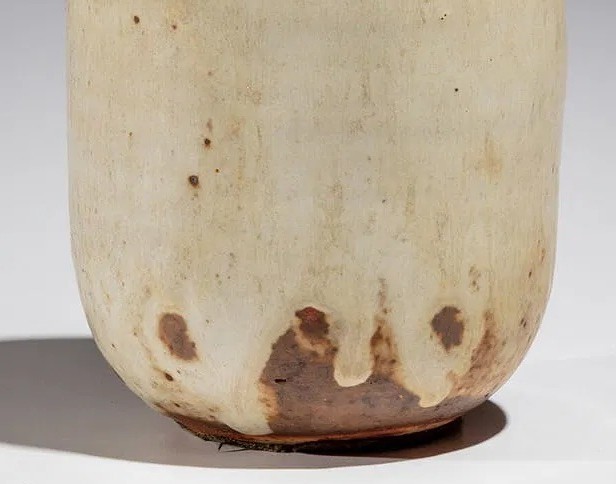
Matched public results for Takaezu closed forms: what height adds, why porcelain and rattles matter less than assumed, and what blue glaze is worth.
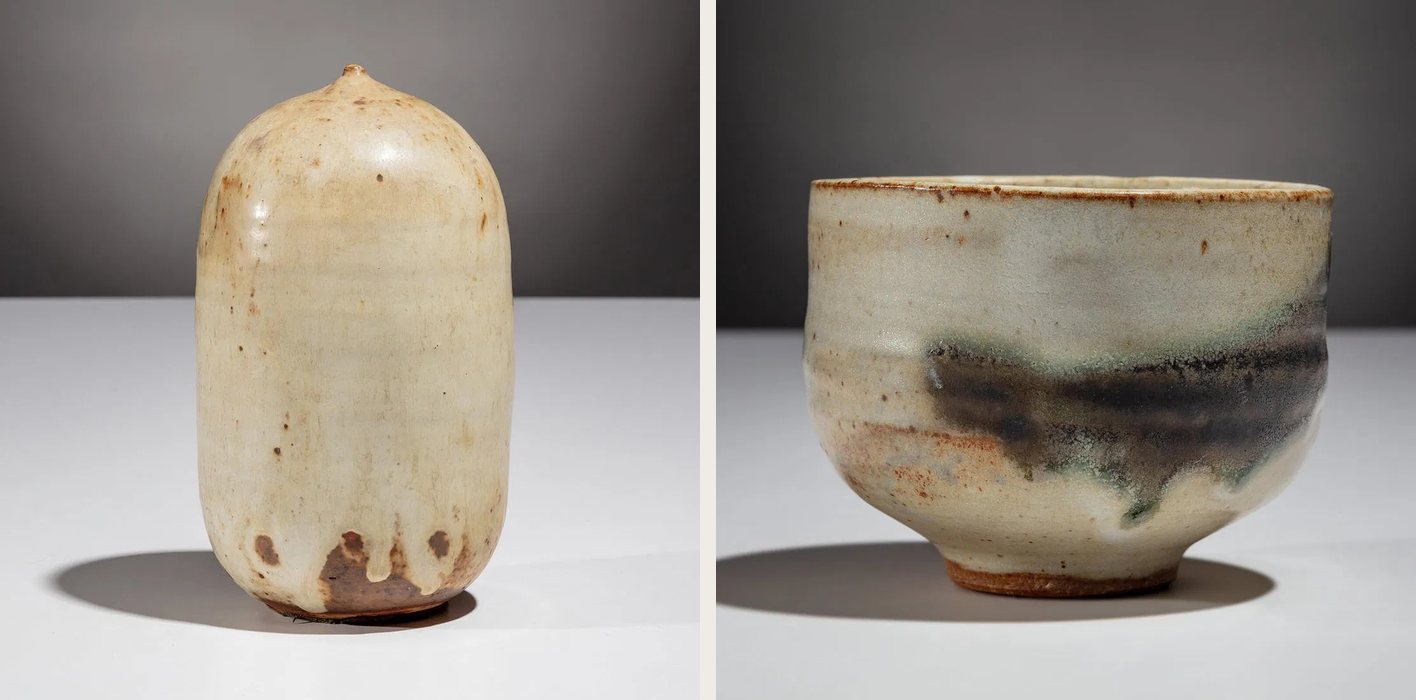
Size-matched and same-sale comparisons of Takaezu closed forms with bowls, tea bowls and bottles: how wide the price gap is, and where it narrows.
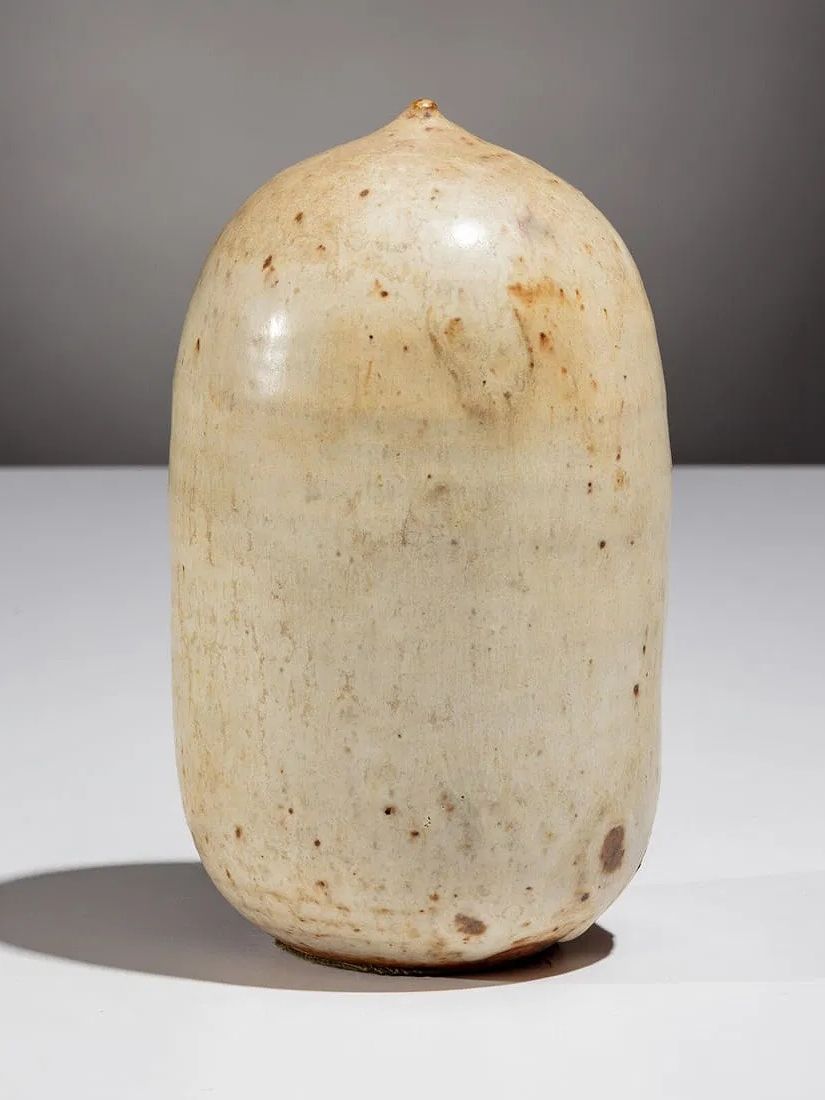
What a Toshiko Takaezu closed form is, how the series differ, what documentation and condition mean, and what 821 public auction results show.
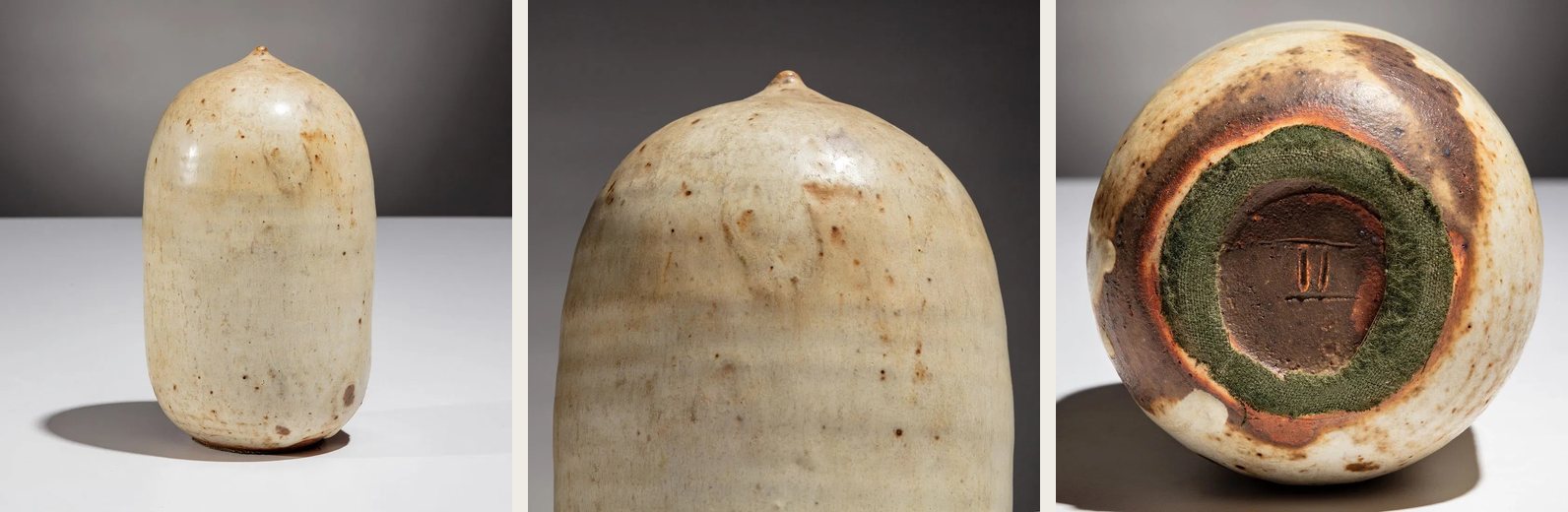
What 803 public Takaezu lot records document, what marks, provenance and earlier sales can and cannot prove, and what to gather before selling.
Auction prices for 2,182 original Picasso prints by technique, before and after allowing for period, edition, signature, size and colour.
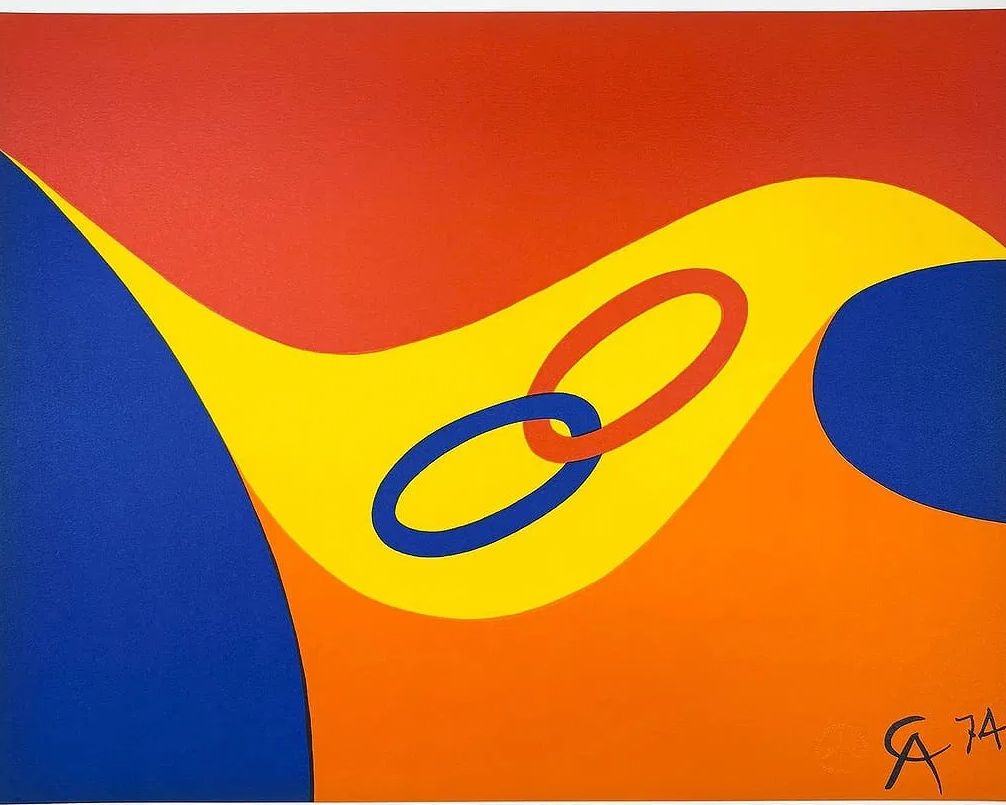
Selling a print or multiple: original or reproduction, what signatures, numbers and proof marks mean, catalogue references, condition and where to sell.
Edition size and price across 1,886 Picasso print sales: small editions, proofs and low numbers compared like for like, with images issued twice.
Same-work comparisons of 2,293 Picasso print sales: how pencil-signed, unsigned, stamp-signed and plate-signed impressions compare at auction.
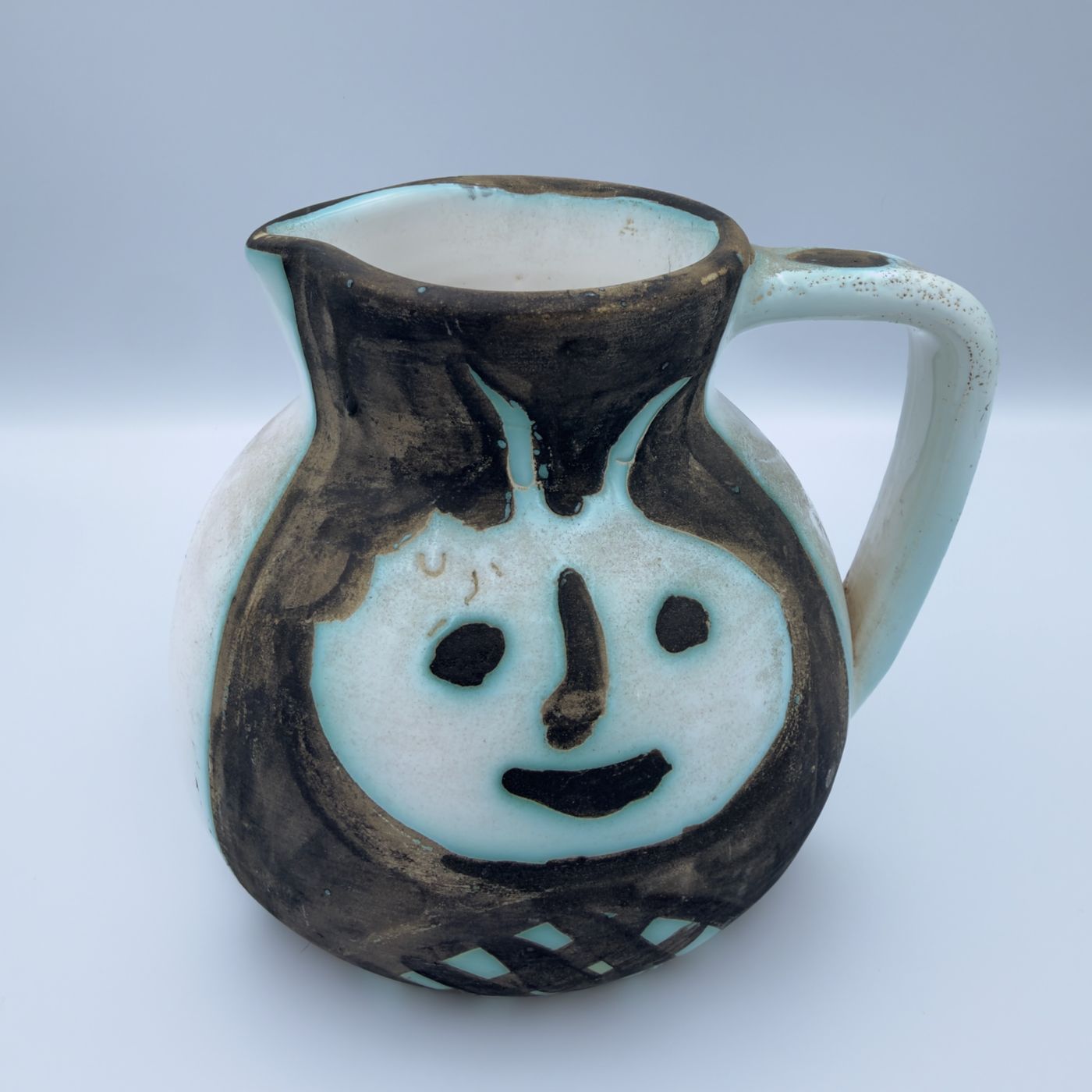
A buyer's checklist for Picasso Madoura ceramics: Ramié number, marks, edition, condition, provenance, comparable prices, guarantees and shipping.
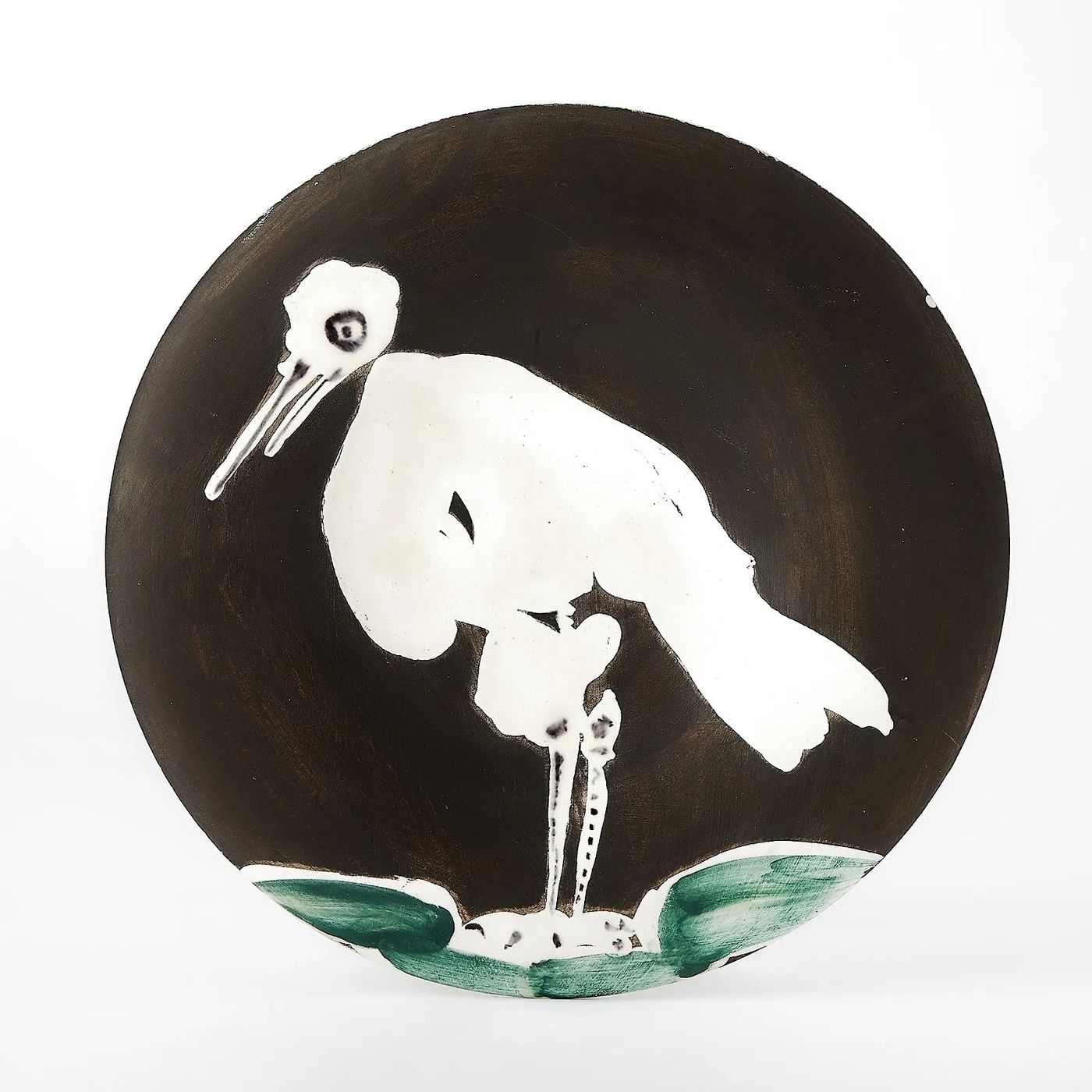
A line-by-line guide to a Picasso Madoura lot: Ramié number, marks, edition, estimate, hammer and buyer's premium, condition report and guarantee.