

How to Photograph and Document a Picasso Ceramic for Evaluation
A practical checklist for photographing and documenting a Picasso Madoura ceramic: the views, marks, measurements, condition and papers a specialist needs.
Prepared by Artemis Collection. Market figures are drawn from public auction records as described in the methodology note; they are not appraisals.
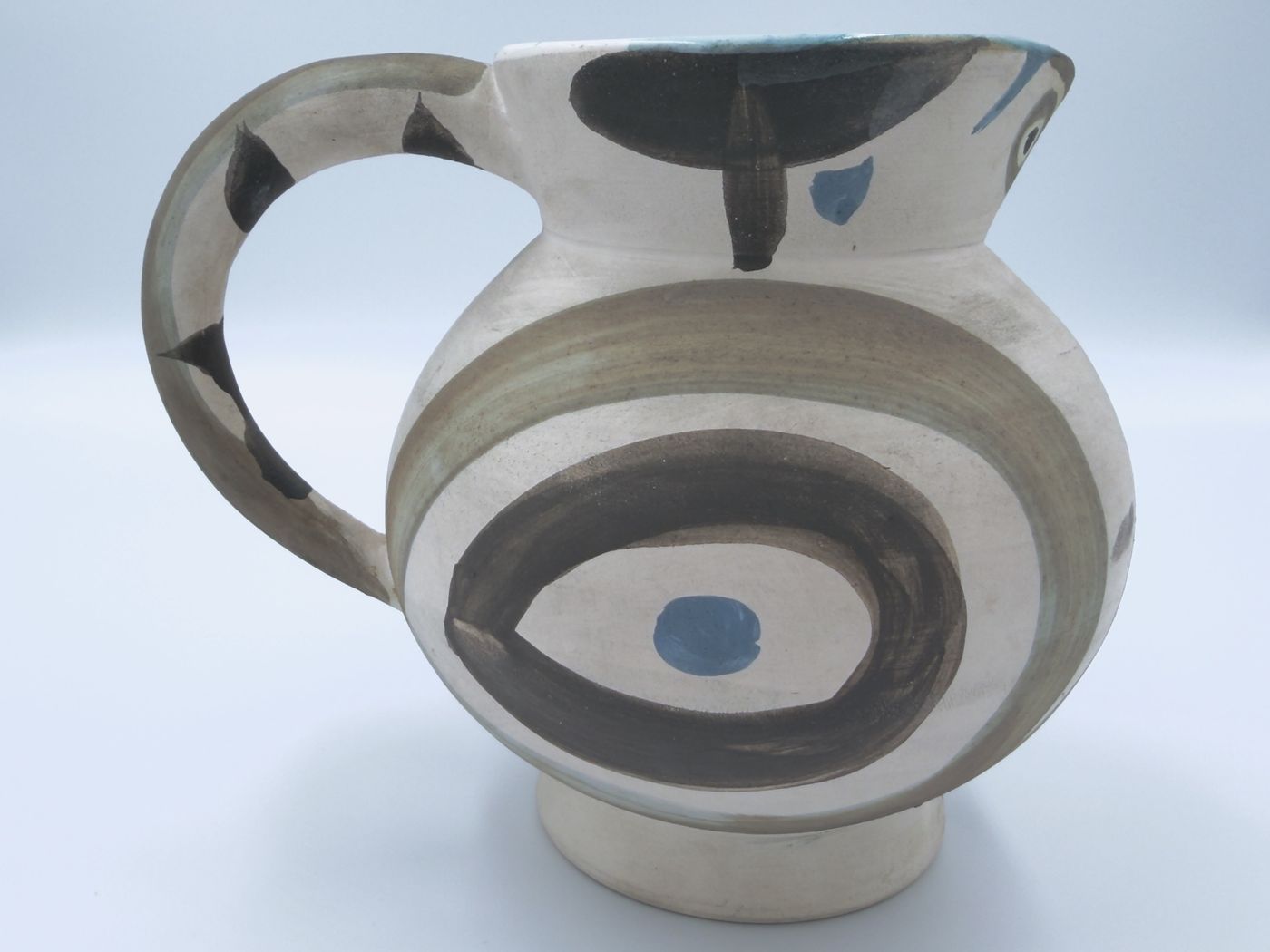
A specialist looking at photographs of a Picasso ceramic is trying to answer three questions: which design it is, what its marks say, and what condition it is in. Ten photographs, a measurement and copies of any papers answer most of them. The front alone rarely does. The most useful single image is usually the back or underside, sharp enough to read every stamp and number.
This guide gives the checklist, explains what each photograph is for, and covers the handling and lighting that keep the piece safe and the images useful. You do not need special equipment; a recent phone camera and daylight are enough.
The checklist
| # | Photograph | What it must show | Why it matters |
|---|---|---|---|
| 1 | Front, whole object | The full face, square on, filling most of the frame | Identifies the design and subject |
| 2 | Back or underside, whole | Every mark in one view, with the edge visible | Shows where the stamps sit and how the reverse is finished |
| 3 | Each stamp, close up | Every impressed or printed stamp, readable letter by letter | Stamp wording (for example Edition Picasso, Empreinte originale de Picasso, Madoura Plein Feu) is part of identification |
| 4 | Numbers and inscriptions, close up | Any edition number (such as 233/300), letters, codes or painted marks | Edition and production details |
| 5 | Profile | The object from the side, at eye level | Shows form, depth, any warping |
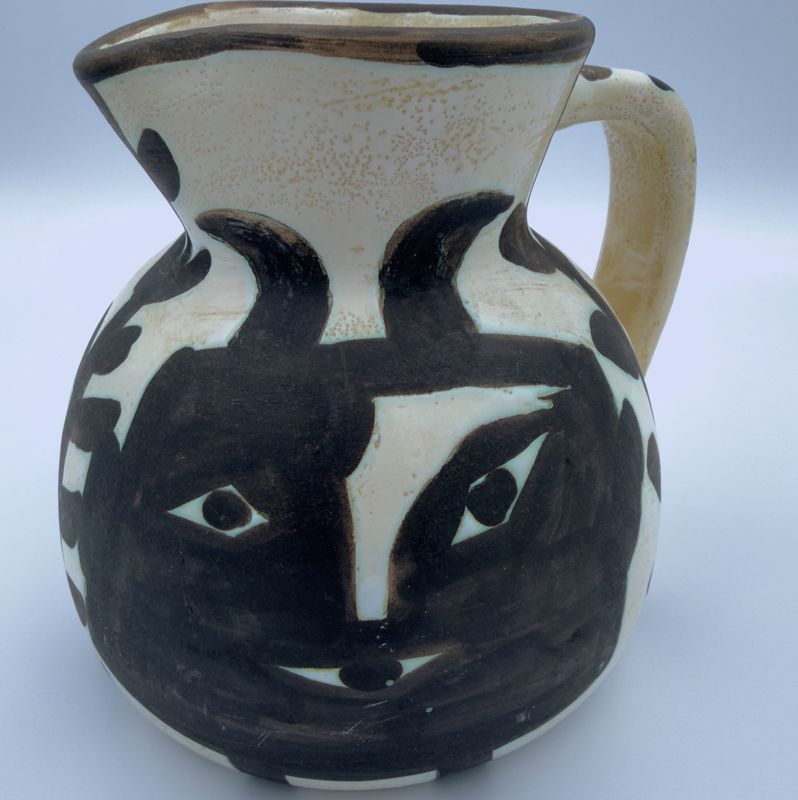
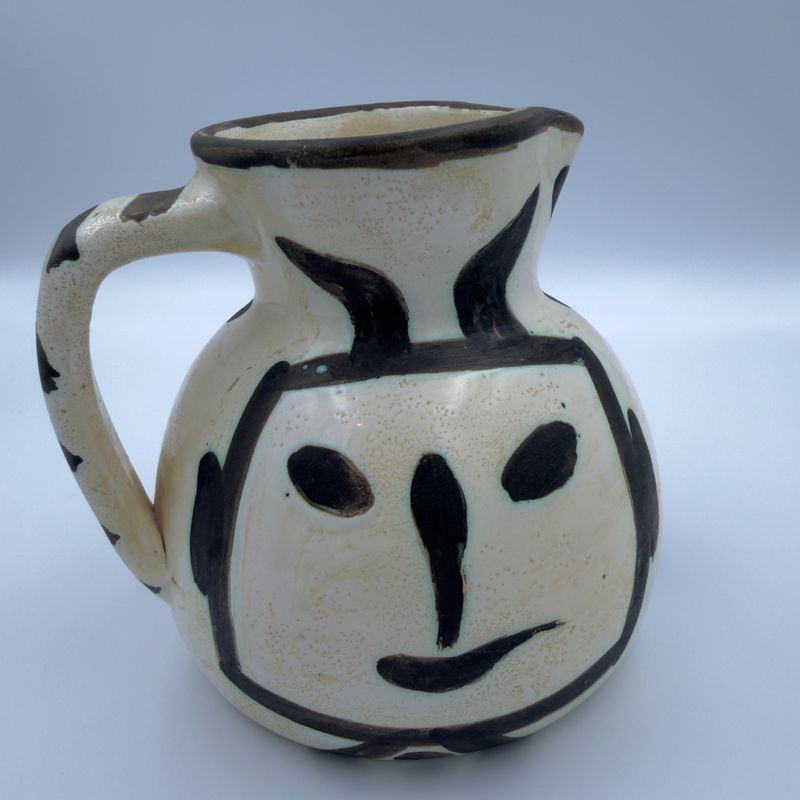
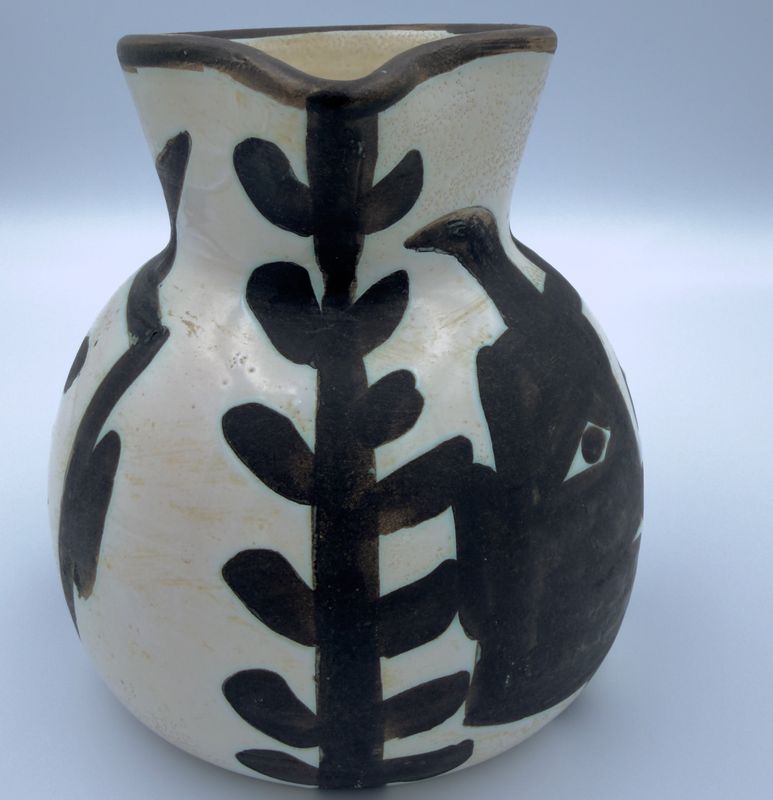
| 6 | Each side of a vessel | Pitchers and vases from four sides, a quarter-turn apart | Decoration often continues around the form |
| 7 | Rim and foot | The edges, where chips and wear usually are | Condition |
| 8 | Inside (vessels) | Interior and neck | Condition; occasionally marks |
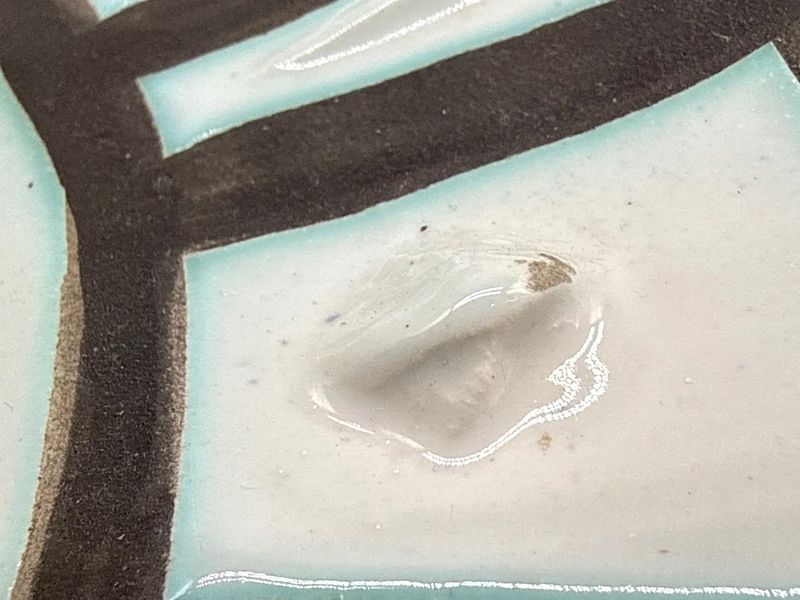
| 9 | Every condition issue | One close-up of each chip, crack, repair or area of wear, plus a wider shot showing where it is | Condition, honestly located |
| 10 | Measurement | A ruler or tape measure across the widest dimension, in the frame | Size, which narrows down the design |
Then photograph or scan every document that relates to the piece (see below).
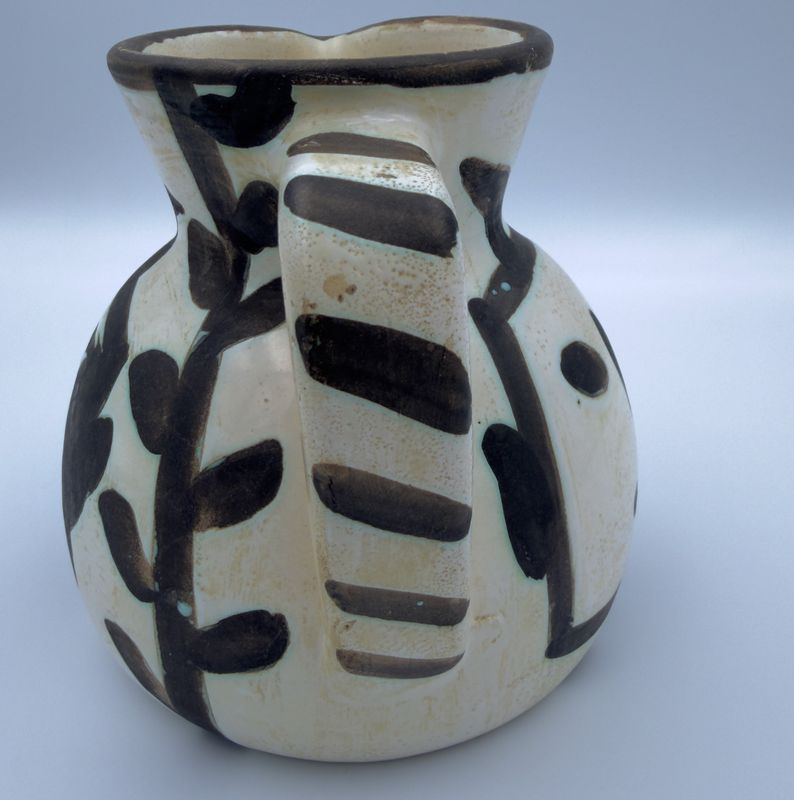
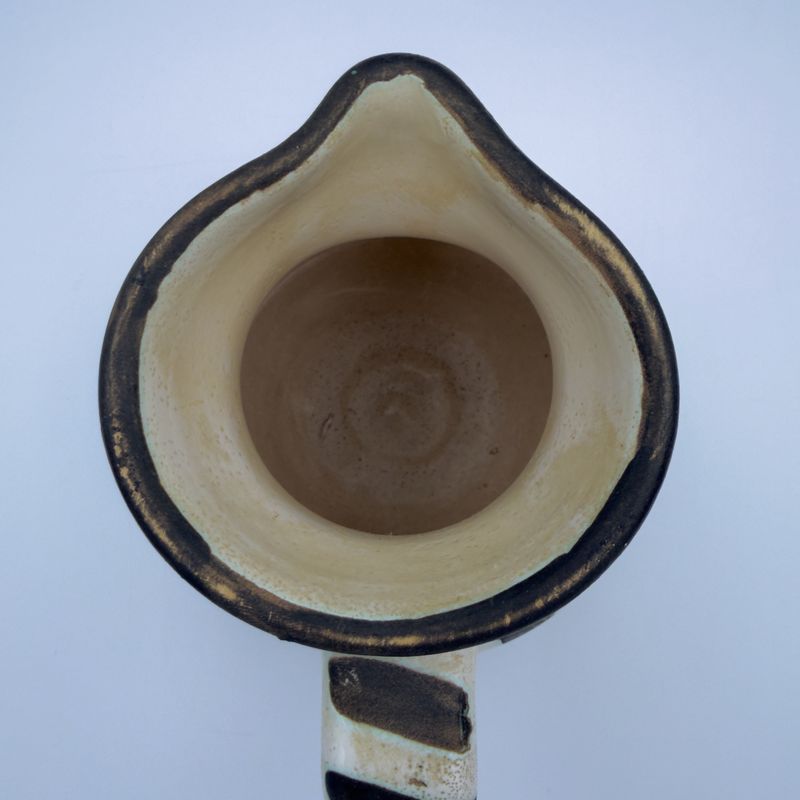
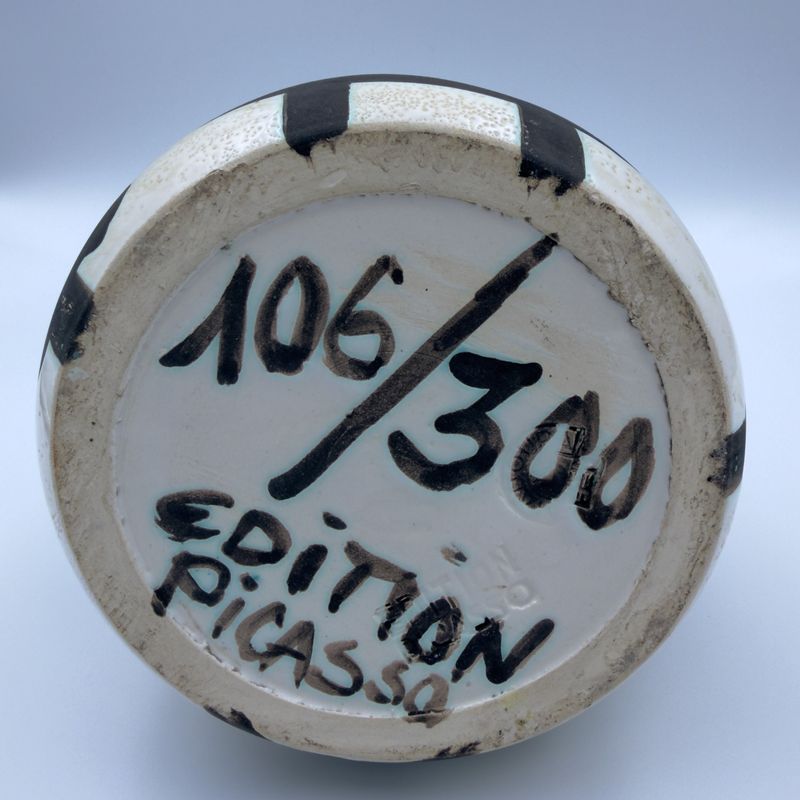
What auction houses ask for
Auction houses' own estimate-request pages ask for much the same thing, which is a useful check on the list above. Phillips asks for up to six images, including the front and back and any signatures or marks. Bonhams asks for the front and back (or top and bottom), any signatures and certificates, and an overall assessment of condition. Wright and LAMA (Rago Wright) accept up to ten images and ask for details of condition, history and provenance. Sotheby's asks for pertinent details and clear photographs. None of them requires professional photography, and Phillips and Bonhams ask explicitly for the back as well as the front.
Light, background and set-up
- Use soft daylight. Indirect light from a window, without direct sun, shows glaze colour accurately. Turn off the camera flash: on a glazed surface it creates a bright spot that can hide a mark or a crack.
- Use a plain background. A sheet of white or grey paper or a plain cloth, with nothing else in the frame.
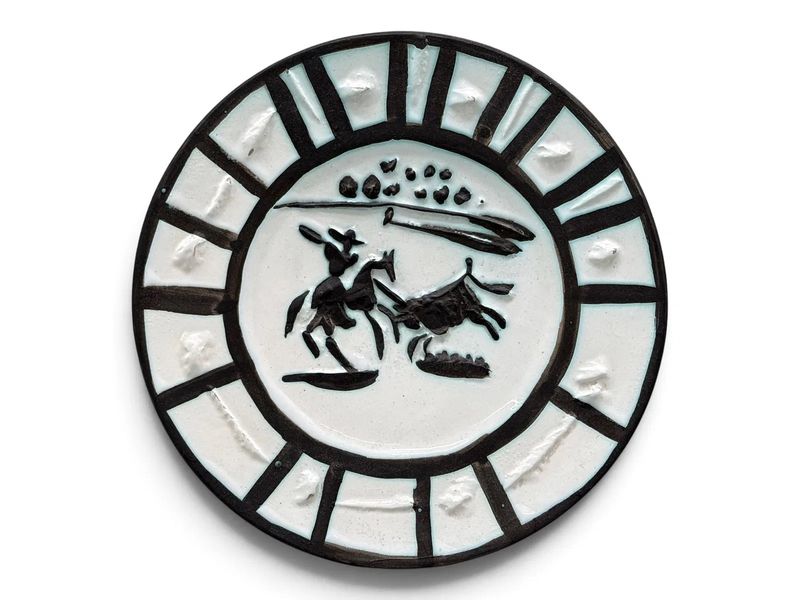
- Hold the camera parallel to the surface. Photograph a plate from directly above, not at an angle, so its shape and decoration are not distorted.
- Use low, raking light for stamps. Impressed stamps and incised marks can be faint. A lamp held low to one side throws shadows into the impressions and makes the lettering readable. Take one photograph in soft light and one in raking light.
- Get close, then check. Make sure each close-up is sharp when enlarged on a screen. If a mark cannot be read on your screen, it cannot be read by anyone else.
- Do not edit. Send the original files. Filters, beauty modes and heavy compression change colour and detail. If email limits the size of attachments, send the photographs over several messages or by a file-sharing link rather than reducing them.
Measuring
Measure the widest dimension of a plate or dish (its diameter, or length and width if rectangular) and the height of a vessel. Give the figure in centimetres or inches, to the nearest millimetre or eighth of an inch, and say which you used.
Size matters because many designs share a format. In Ramié's catalogue, 72 designs are listed at a diameter of 25 cm and 83 at 42 cm; a measurement does not identify a design on its own, but it rules many out.
Do not worry if your measurement differs slightly from a catalogue figure. Comparing 1,662 published auction measurements of 286 round designs with the single diameter Ramié gives for each, the published figure differed from the catalogue by a median of 1.7%, and 85% were within 5%. Within a single design, measured examples typically varied by a few percent. A plate measuring 24.4 cm is consistent with a 25 cm catalogue entry; one measuring 20 cm is not.
Marks and numbers
Photograph every mark, even ones you think are unimportant. Stamps, painted or incised inscriptions, hand-written letters and numbers, and any later additions (collection labels, inventory numbers, old price stickers) are all evidence.
- Photograph each stamp separately and straight on.
- If there is an edition number, photograph it in focus. About half of the Christie's and Phillips catalogue descriptions we analysed quote an individual number in a form such as 233/300; the rest do not quote one. Not every example was numbered, so the absence of a number is not in itself a concern.
- Do not try to make a faint stamp clearer by rubbing, wetting or chalking it. Use light instead.
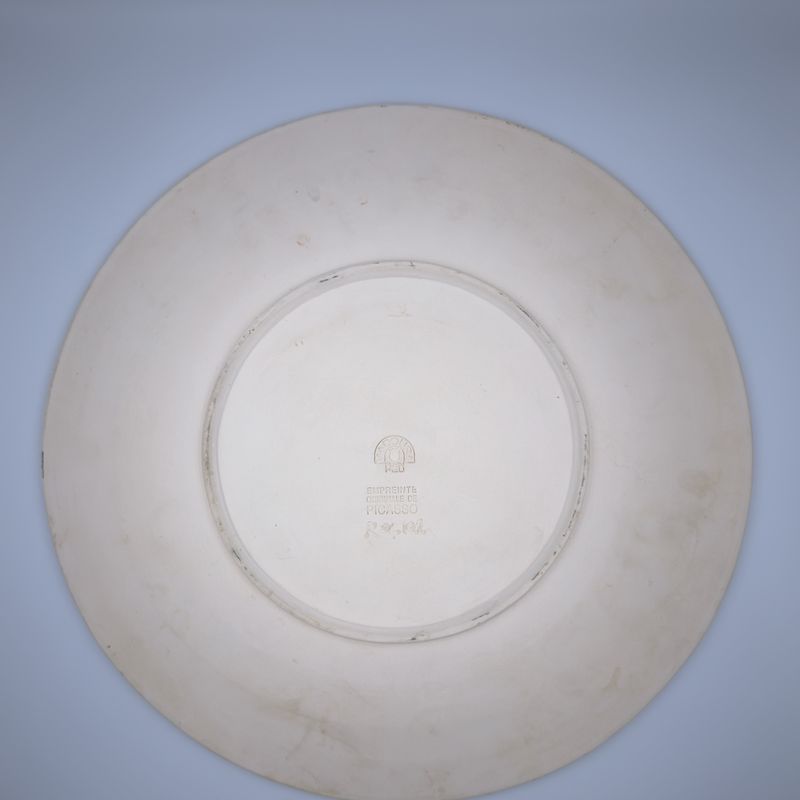
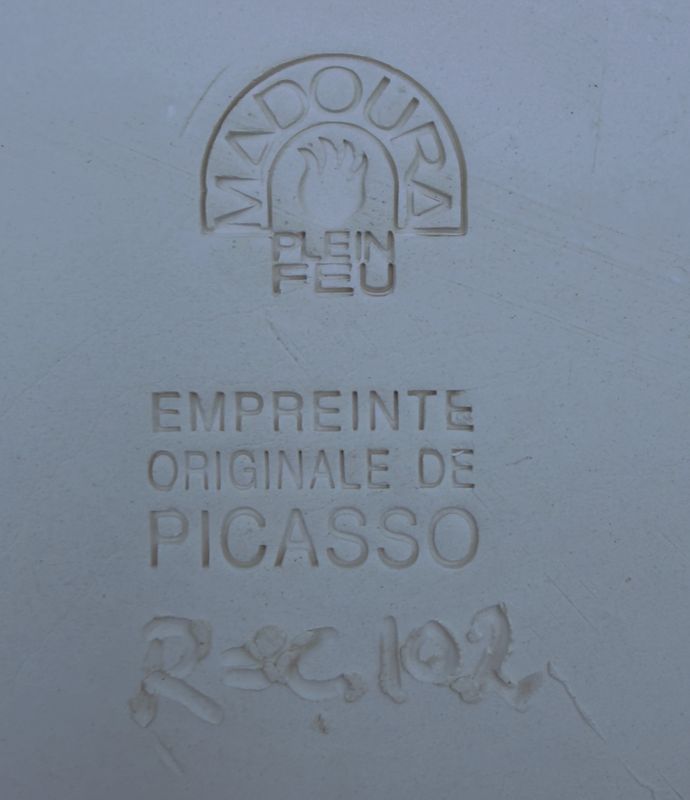
A mark is one piece of evidence, not proof. A stamp can be copied, and an image match with a known design does not establish that a piece is genuine. For what the stamps mean, see our guide to Picasso Madoura stamps and marks; to find the catalogue number, see identifying your Picasso Madoura ceramic.
Condition: show it plainly
Photograph each chip, crack, repair, area of glaze loss or wear twice: once close up, and once from far enough back to show where it is on the object. A small chip on the underside of a foot and the same chip on the face of a plate are different matters.
If you know that the piece has been repaired or restored, say so and show where. If you are unsure, say that too. A specialist will look for restoration in any case, and describing it at the start saves time. You do not need ultraviolet light or any other equipment; that is the evaluator's job.
Do not clean the piece before photographing it. Old dirt, labels and wire hangers are part of the record and can be dealt with later, if at all. Our guide to how damage, restoration and condition affect value explains how condition is described and how much it appears to matter.
Handling while you photograph
Madoura ceramics are earthenware, many only partly glazed, and rims, feet and handles are where damage most often occurs.
- Clear and pad the surface you will work on before you pick the piece up; a folded towel or a layer of bubble wrap under tissue will do.
- Lift with both hands, supporting the piece from below. Never lift it by a handle, spout, knob or rim; museum handling guidance singles these out as weak points.
- Move one piece at a time, and turn a plate over by supporting it on both faces rather than flipping it by the edge.
- Remove rings and bracelets, and work with clean, dry hands or nitrile gloves. Cotton gloves can make glazed surfaces slippery.
- If a plate is on a wall hanger or in a frame, photograph it as it is. Take it down only if you can do so safely; otherwise say that it is framed or hung.
Papers to gather and copy
Photograph or scan, front and back:
- purchase invoices or receipts, from a gallery, dealer, auction or the pottery itself;
- auction catalogues or catalogue pages in which the piece appears, and auction invoices;
- gallery or exhibition labels, and any labels or inscriptions on the back of the piece;
- letters, certificates or valuations that mention the piece;
- family records that place it in the household: wills, inventories, insurance schedules, even old photographs of a room in which it appears.
Keep the originals. Copies are enough for a first look. For how these documents are weighed, see Picasso ceramic provenance: which documents matter.
What to write alongside the photographs
A few lines are enough:
- what you believe the piece is, and the catalogue number if you know it (it is fine not to);
- its measurements;
- how and when it was acquired, and by whom, as far as you know;
- any damage, repair or cleaning you know about;
- where the piece is now (city and country);
- whether you are considering a sale, a consignment, or simply want to understand what you have.
What photographs can and cannot settle
Good photographs usually allow a specialist to identify the design, read the marks and form a view on condition, and to say whether it is worth taking a closer look. They cannot authenticate a piece. Any buyer or auction house may ask for more images, ask to see the piece in person, or decline to proceed. When you have the photographs and notes together, you can send them to us through our inquiry page.
How these figures were calculated
- Shared diameters. Counted from our transcription of the 633 entries in Alain Ramié's catalogue: 324 entries give a single diameter; 72 of them give 25 cm and 83 give 42 cm.
- Measurement comparison. Public auction results for those single-diameter designs where the lot's published dimension could be read as one diameter in centimetres or millimetres (1,662 sold lots of 286 designs, 1986–2026; mostly Christie's, plus Phillips and an aggregator's copies of house records, with duplicates removed). Nineteen readings more than 50% away from the catalogue figure were treated as parsing errors (for example, framed dimensions) and dropped. "Within a design" uses the 46 designs with at least ten measured lots; the middle half of their measurements spanned a median of 2.2% of the diameter.
- Edition numbers in descriptions. 2,773 Christie's and Phillips lot descriptions of Ramié-catalogued ceramics, 1995–2026 (the set used in our stamps and marks guide); 52% contain a number of the form 233/300. A missing number in a description may mean the piece is unnumbered or that the house did not transcribe it.
Sources
- Ramié, Alain. Picasso: Catalogue of the Edited Ceramic Works, 1947–1971. Madoura, 1988.. Catalogue raisonné; source of the catalogue dimensions compared in this article.
- Phillips: Sell with us (online estimate request). Asks for up to six images, including front and back and signatures or marks. Accessed 6 November 2026.
- Bonhams: Sell with Bonhams. Asks for front and back, or top and bottom, signatures and certificates, and an overall condition. Accessed 6 November 2026.
- Rago Wright, LLC: Sell with us (Wright and LAMA sites). Asks for clear images (up to ten) and details of condition, history and provenance. Accessed 6 November 2026.
- Sotheby's Help Center: How do I sell with Sotheby's?. Asks for pertinent details and clear photographs. Updated 13 April 2026; accessed 6 November 2026.
- National Museums Scotland: How to handle ceramics and glass. Handling guidance: two hands, support from below, never by handles, knobs or rims; padded work surface. Accessed 6 November 2026.
- Museum of Royal Worcester: Care of ceramics. Handling and cleaning guidance. Accessed 6 November 2026.
Which past auction results predict a Madoura ceramic's price best? We tested nine ways of choosing comparables on 5,000+ public sales.
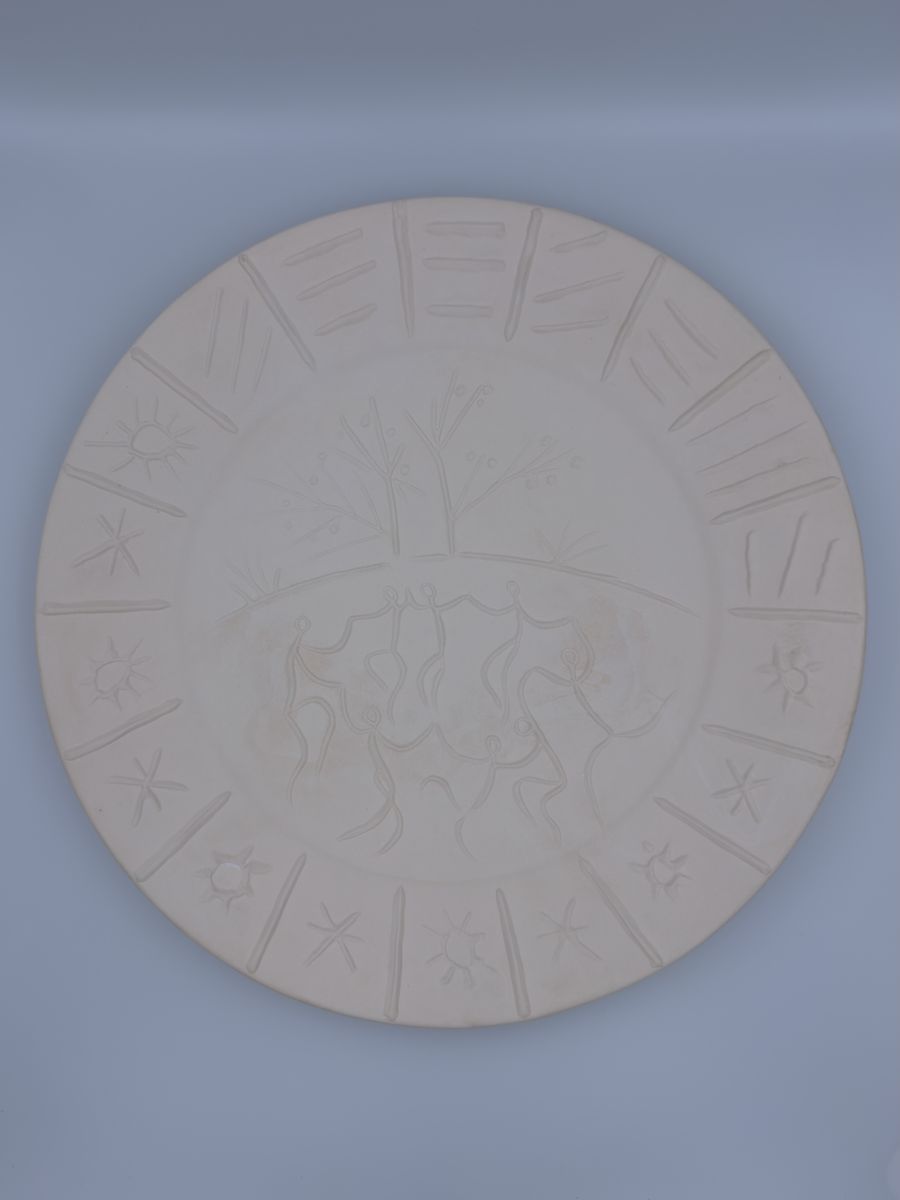
Size is the strongest catalogue predictor of Madoura prices: what extra centimetres add within each form, and where size stops adding value.
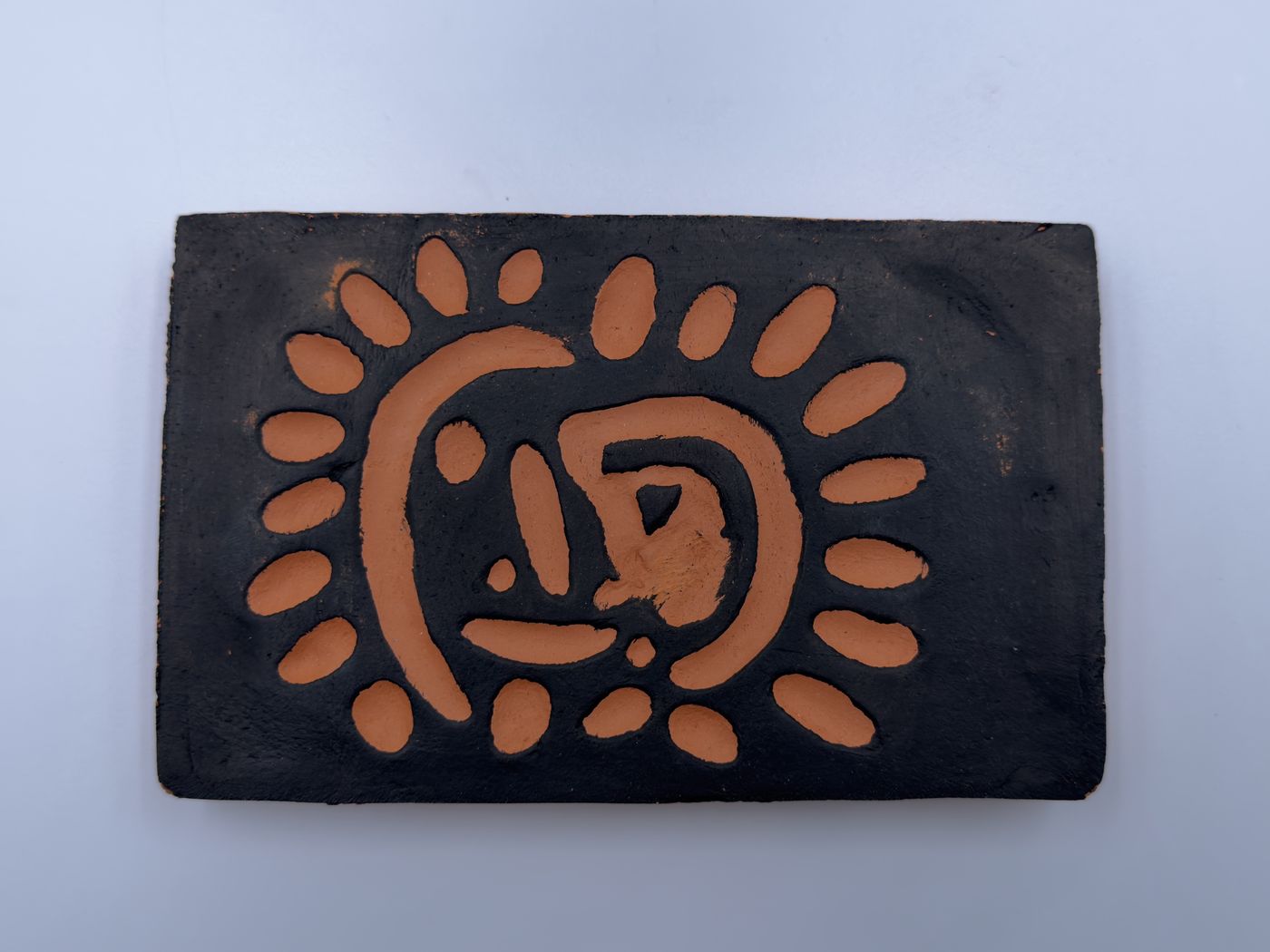
How chips, cracks, firing flaws and restoration affect Picasso Madoura ceramics, how auction houses describe condition, and what public results show.